English
 Trading and commerce in the 20th century
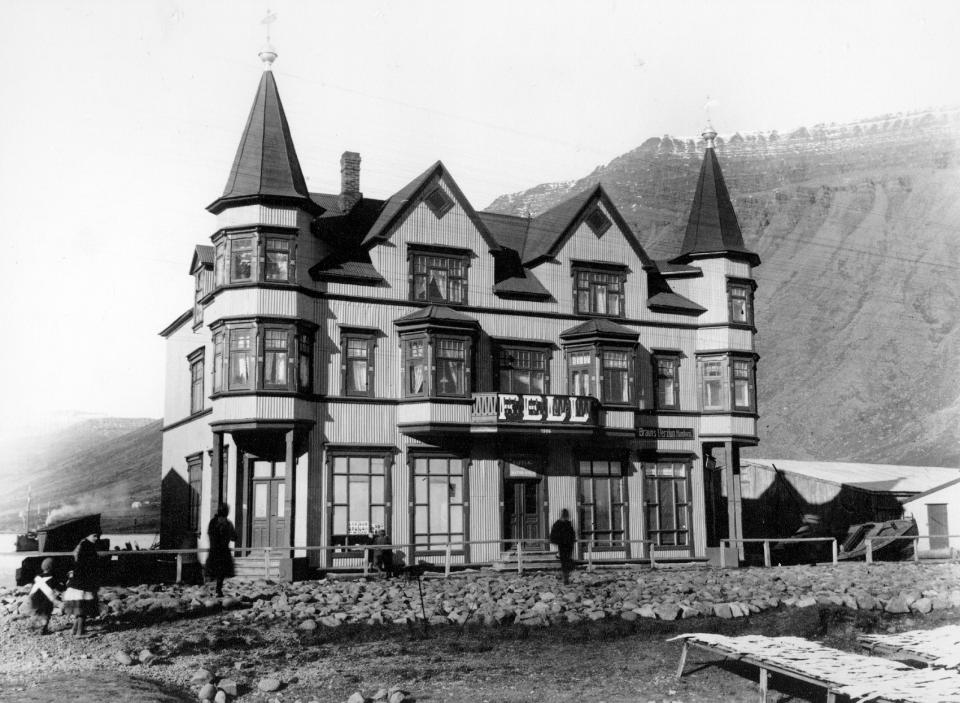
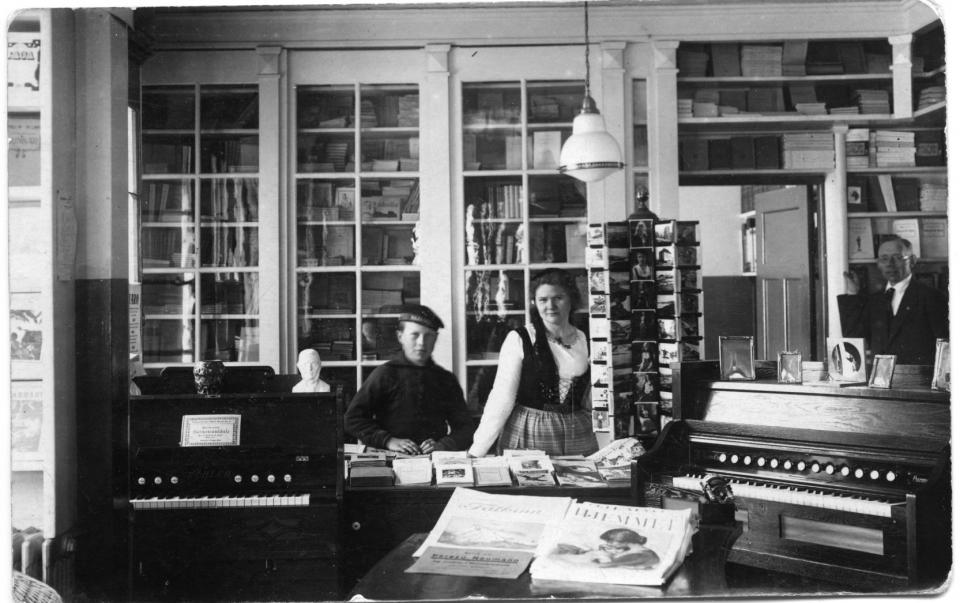
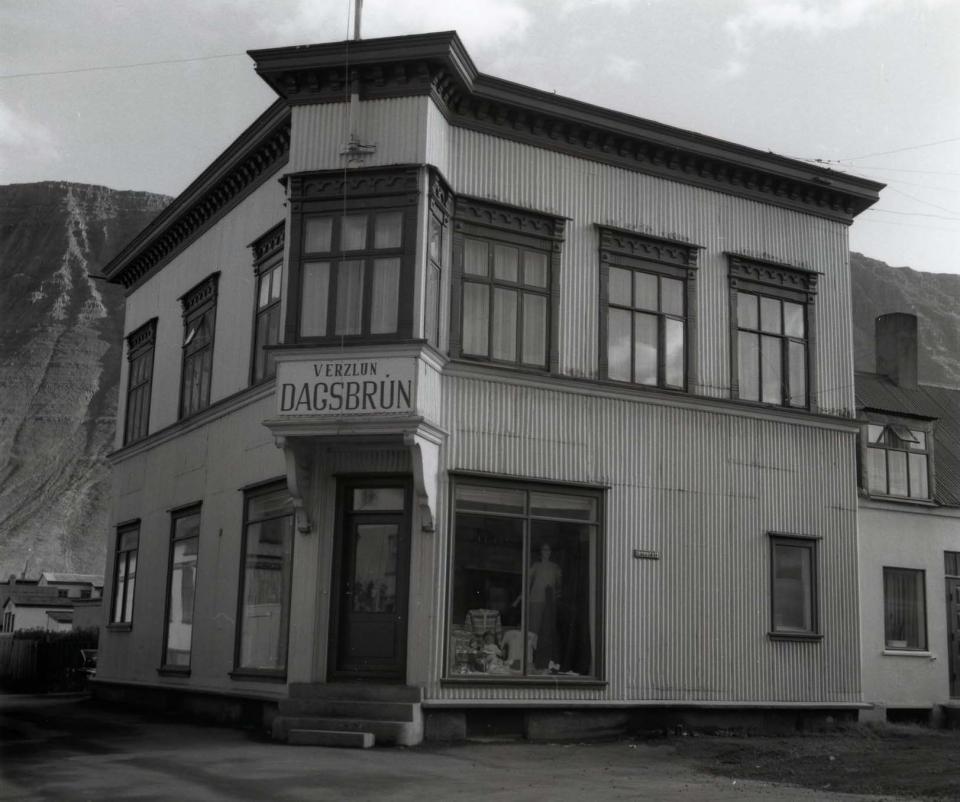
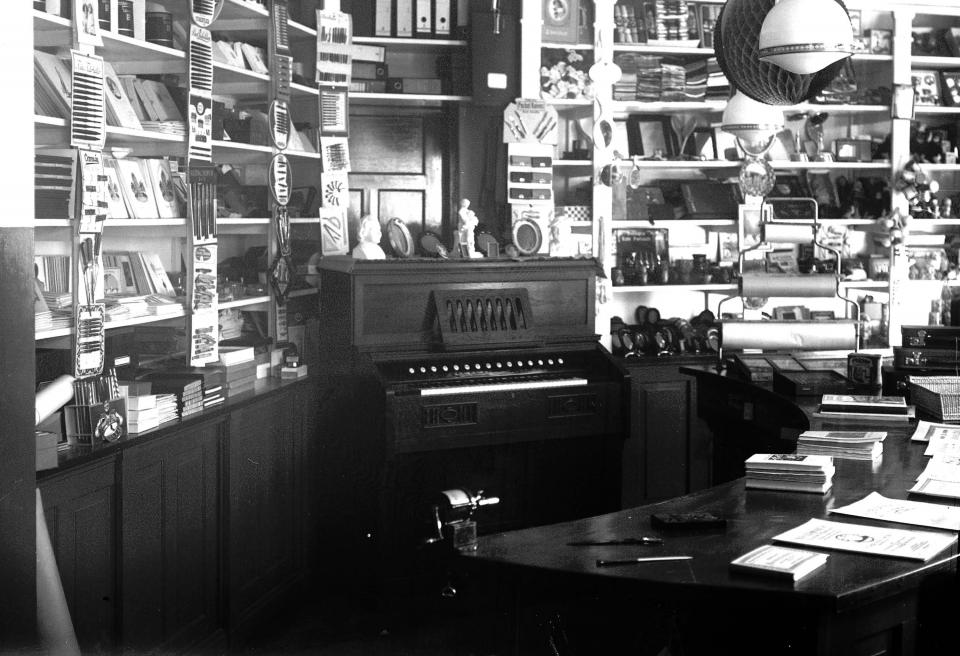
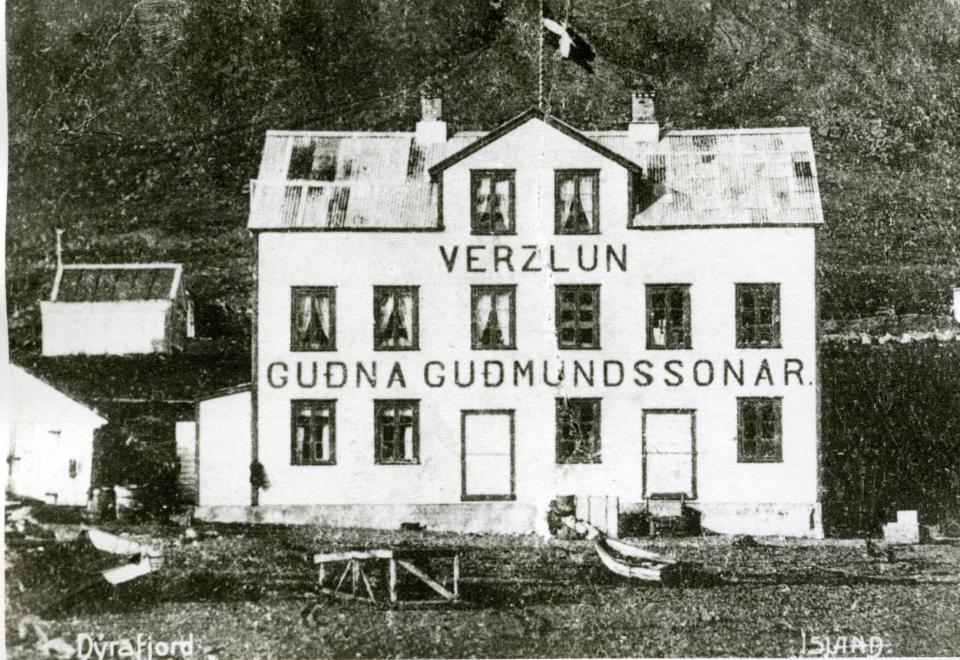
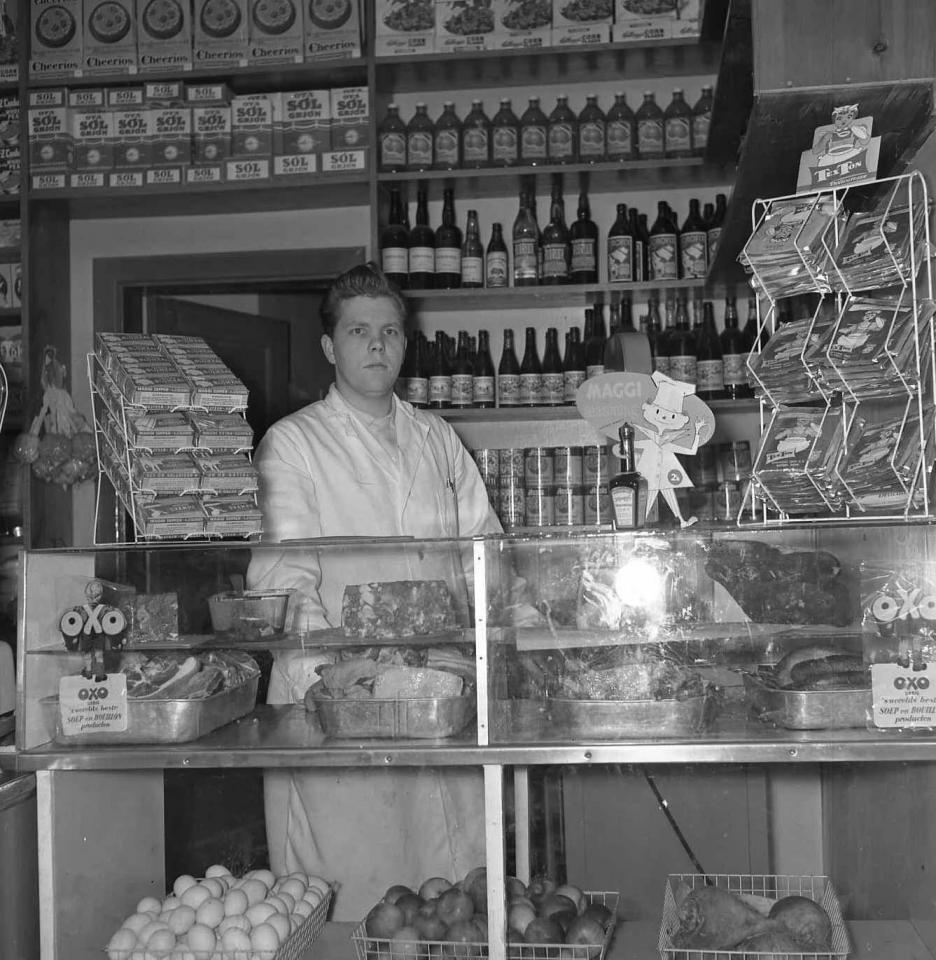
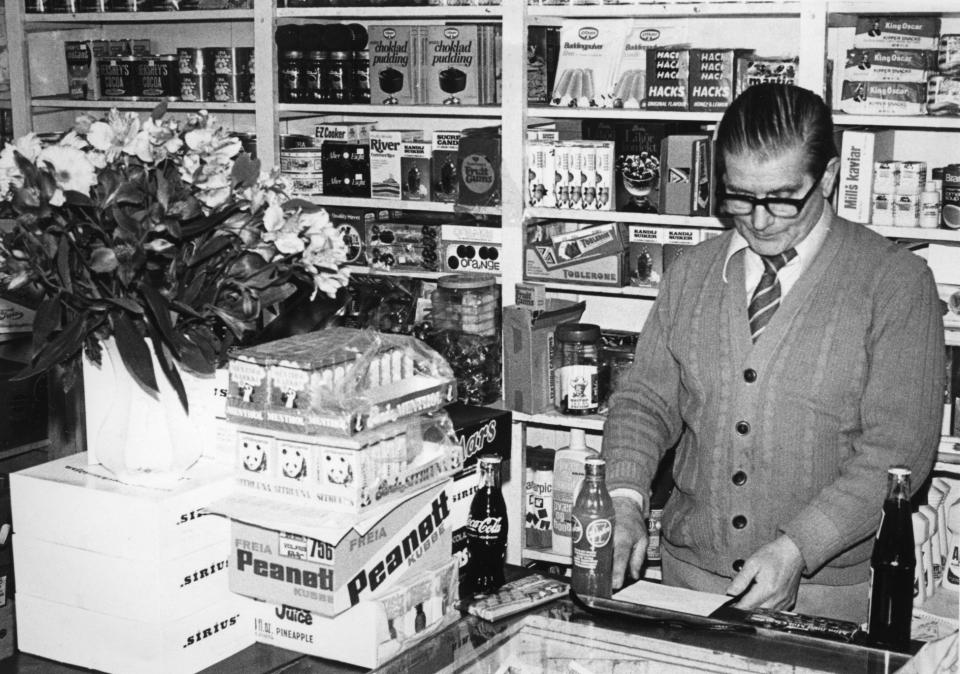
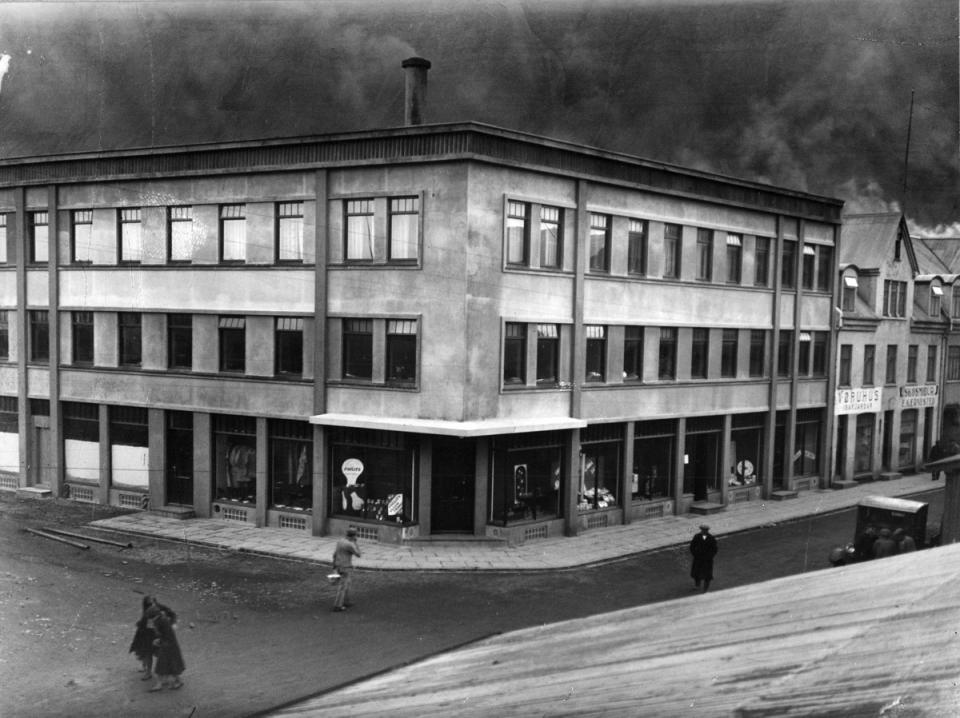
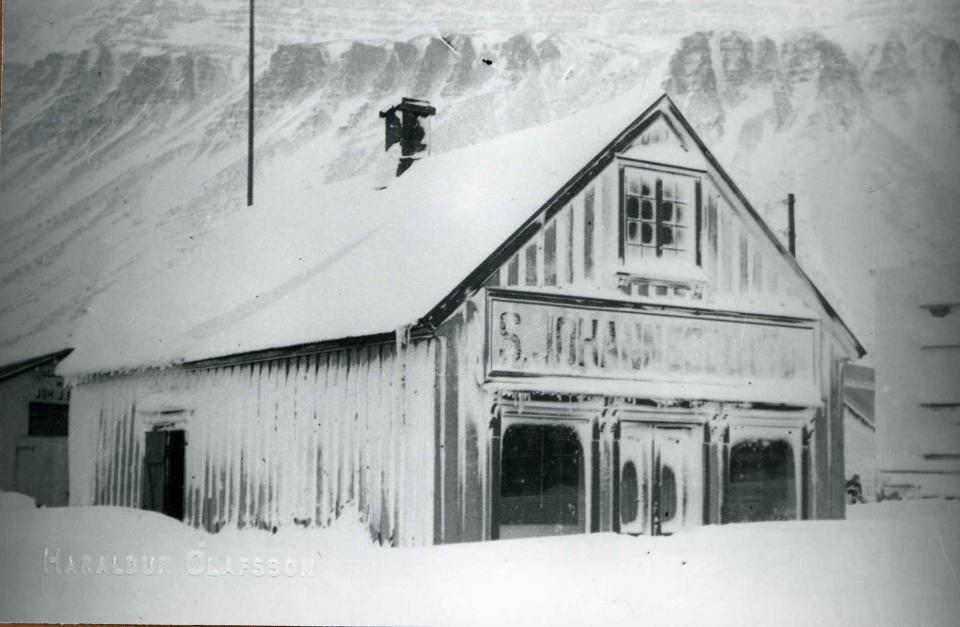
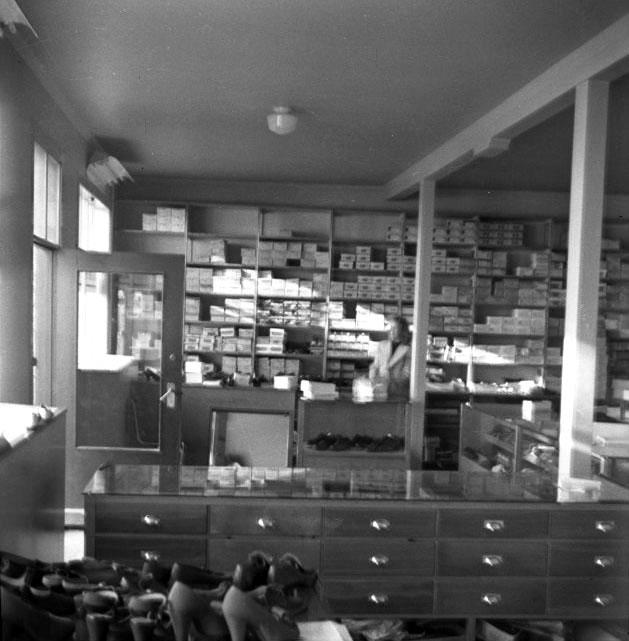
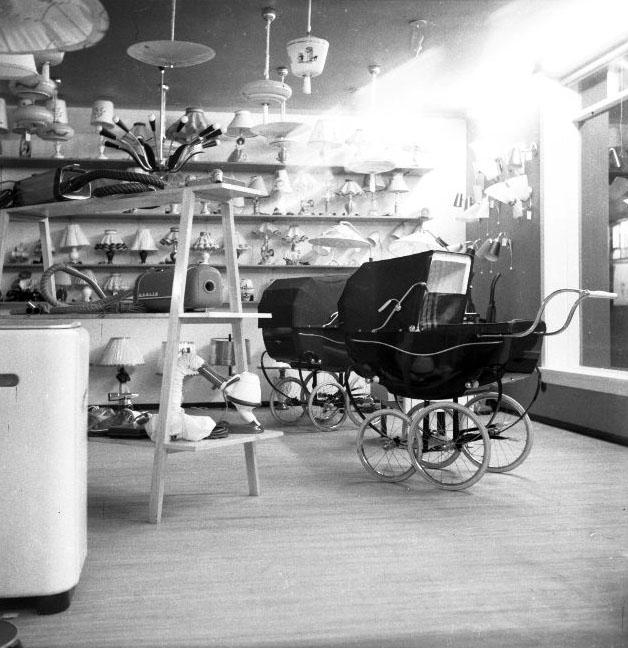
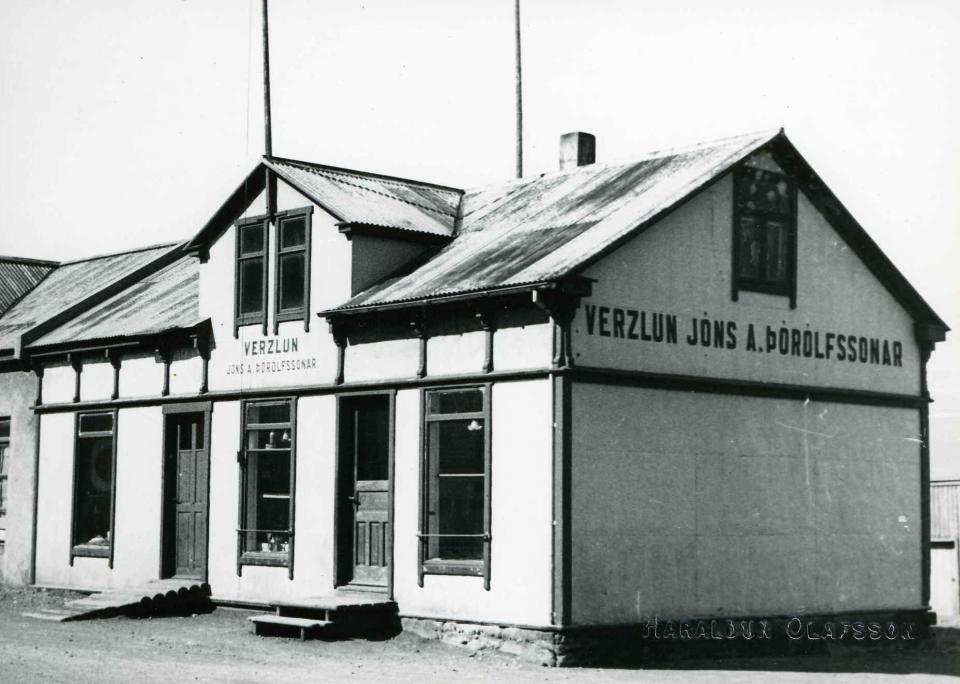
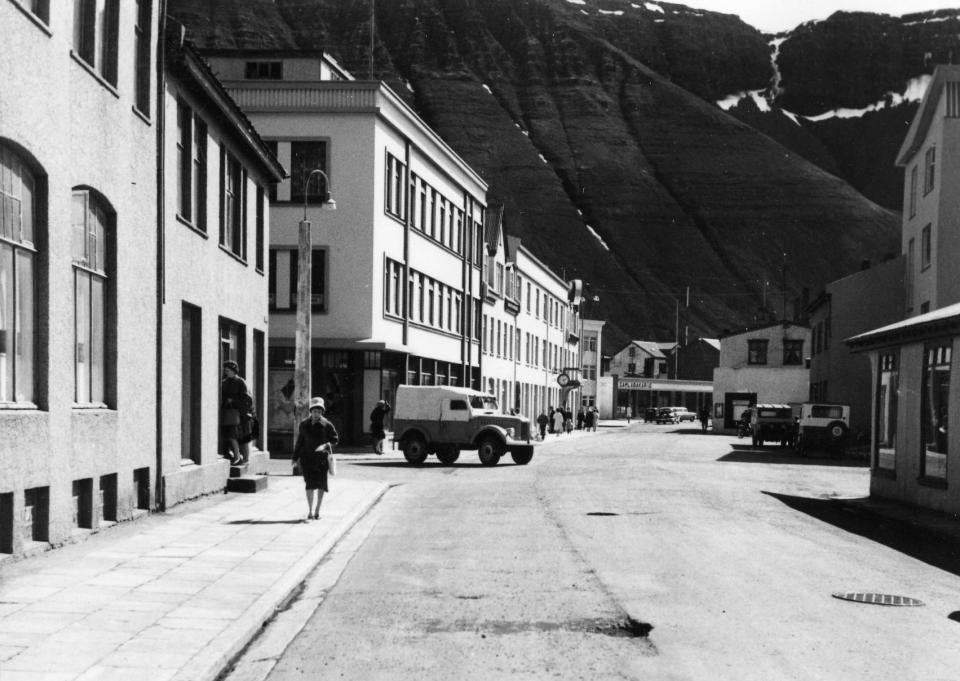
Trading and commerce flourished in the first years of the new century with an increase in population and in people's incomes. Many specialised shops were opened in Ísafjörður and in other towns and villages in the West Fjords, selling drapery, giftware or books. Tradesman such as goldsmiths, shoe smiths and bakers opened workshops and shops. These shops were located side-by-side on Hafnarstræti, Aðalstræti and nearby streets. The old general stores where one could find almost anything became a feature of the past after 1918. Cooperatives were founded in most regions and were frequently the largest merchant in each town or village. The Ísafjörður cooperative was the largest shop in Ísafjörður. Shops run by independent merchants provided strong competition for the cooperatives. The most long-lived of these shops in Ísafjörður was Björnsbúð. Today the Samkaup and Bonus supermarket chains each have a branch in Ísafjörður. Variety of shops and services is still characteristic of Ísafjörður town centre.
Detail:
Banks and savings banks were an important factor in the development of commerce in this country. Landsbankinn was founded in 1886 but it was not until the founding of Íslandsbanki with foreign capital in 1904 that Icelanders first had the option of taking loans for construction or investment. Íslandsbanki immediately opened a branch in Ísafjörður and in the same year Landsbankinn took over the savings bank that had been operating in the town for two decades. While this was happening there was also a revolution taking place in the fishing industry, with the development of the motor boat fleet. The banks proved to be reliable supporters of owners of motorboats, salt fish processors and speculators in herring. Up until the beginning of the First World War, trade and commerce flourished.
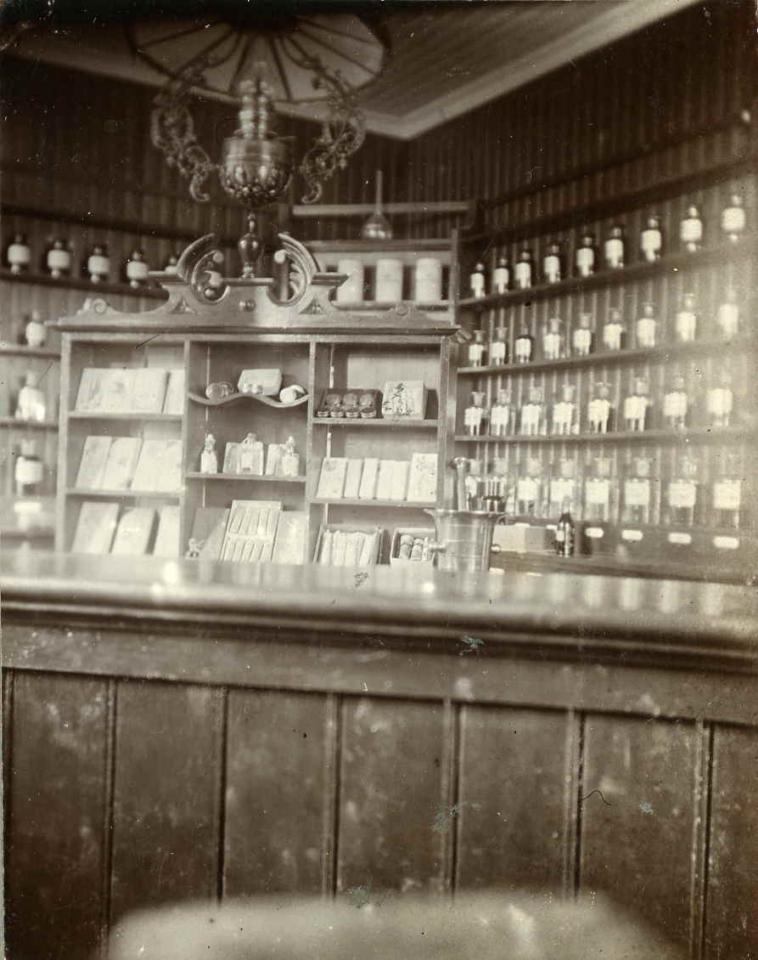
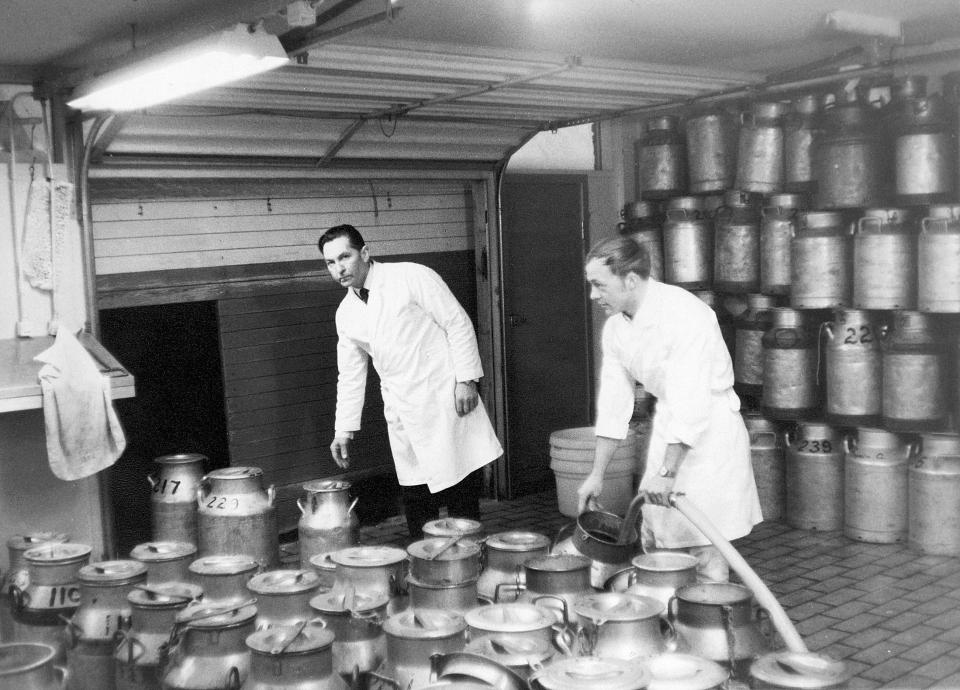
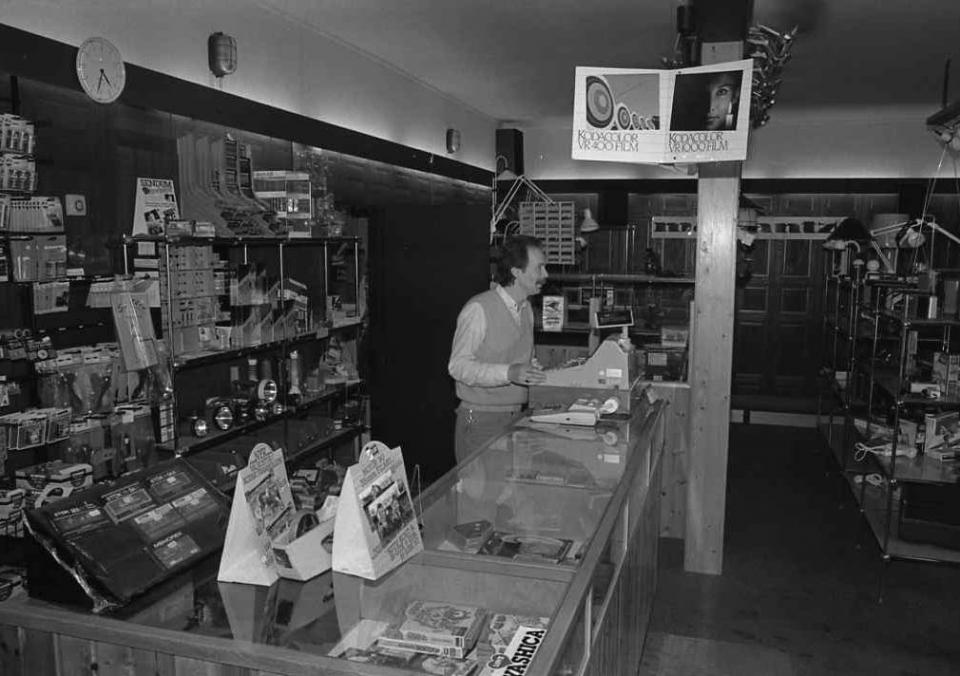
Many specialised shops were opened in Ísafjörður prior to and around the turn-of-the-century 1900. An increase in the town's population and in disposable income were catalysts for blossoming trade. Tradesman and artisans offered a variety of services and products, from goldsmiths and tailors to barbers and shoe smiths. Bookshops and bakeries, cheap clothes and haute couture, pharmacies and commercial agents were side-by-side on Hafnarstrætið and Aðalstrætið, while shops that sold everything from giftware to electrical goods, paint and milk were just around the corner. New shops appeared with changes in lifestyle or fluctuations in fashion while others moved or closed, all depending on customer whims.
The Ísafjörður cooperative was founded in Ísafjörður in 1920. The company grew and flourished in subsequent years and became the largest shop in the town during the thirties. The cooperative acquired its own buildings, yards and the Edinborgarverslun jetties and began processing salt fish. In addition to this it built greenhouses at Reykjanes for growing vegetables. In 1958 the cooperative opened a self-service shop in Ísafjörður, the first of its kind in the West Fjords. There were many other shops in Ísafjörður that are not named here.
Myndir með Ítarefni