English
 Deck ships
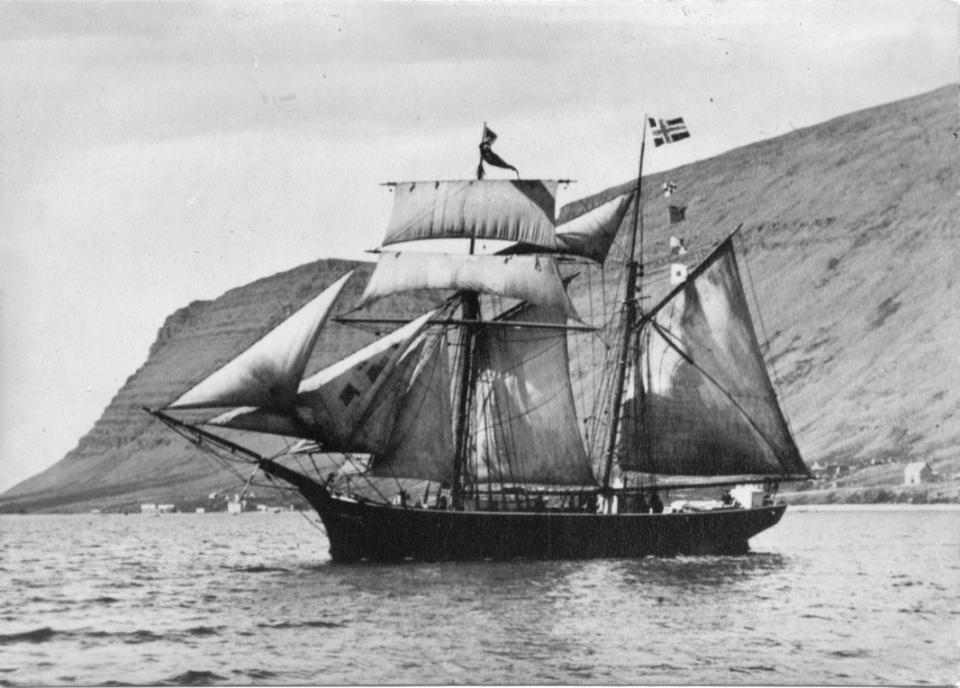
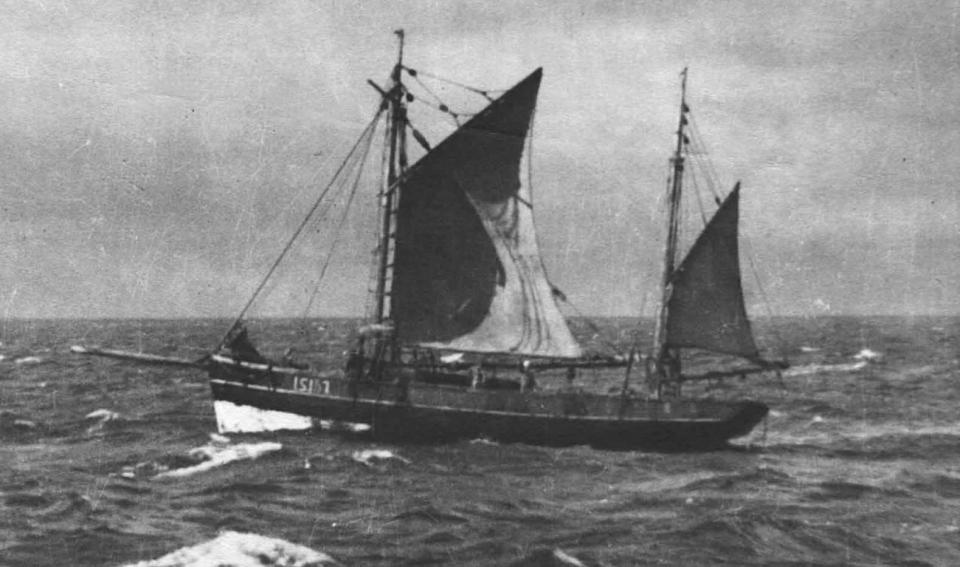
For centuries Icelanders had watched foreign fishermen ply their trade with schooners in Icelandic coastal waters. But they themselves did not take the final step from rowing boats to schooners until the 19th century. The men of the West Fjords were pioneers in introducing schooners. Most of the ships were operated by merchants, who had the money needed and who also produced salt fish and traded both in imports and exports. Schooners were used both for hunting shark and for line fishing for cod. Each fishing trip could take up to a number of weeks and facilities for the sailors were much better than on the rowing boats. The cod was flattened and salted on board. The fisheries period was thus from March to October and each crew was composed of anything from 12 to 30 men. With the advent of the schooner, wealth was created in the country which in turn laid the foundation for development of permanent communities at trading posts.
Detail
The operating of deck ships, trading and salt fish processing marked the beginning of the new working practices in Iceland. The fisheries industry freed itself gradually from the shackles of the old system and became independent and linked to trading. More people were employed in fishing and fish processing for the bulk of the year and thus were freed from the residential relationship with agriculture. Villages and towns developed on the coast where workers and seamen settled and created a life for themselves by selling their labour to merchants and to those operating fisheries. Little by little a new community grew, an urban community with a new hierarchy.
Myndir með Ítarefni