English
 Trawlers
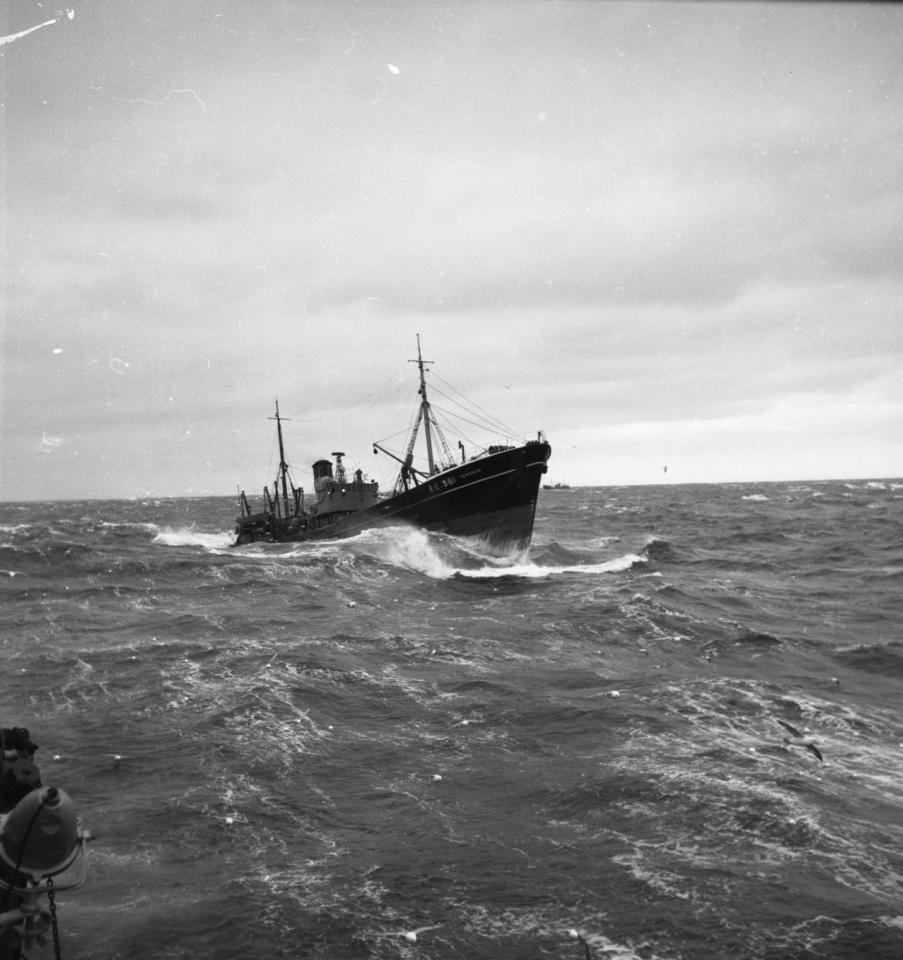
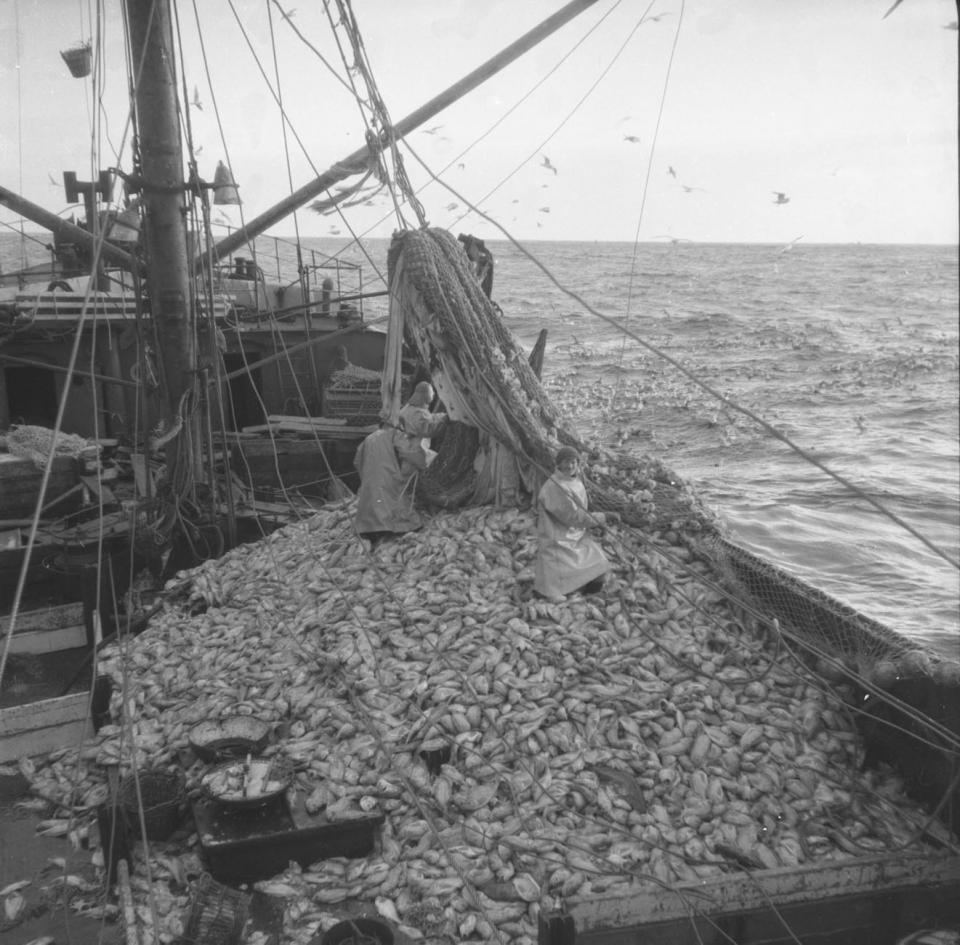
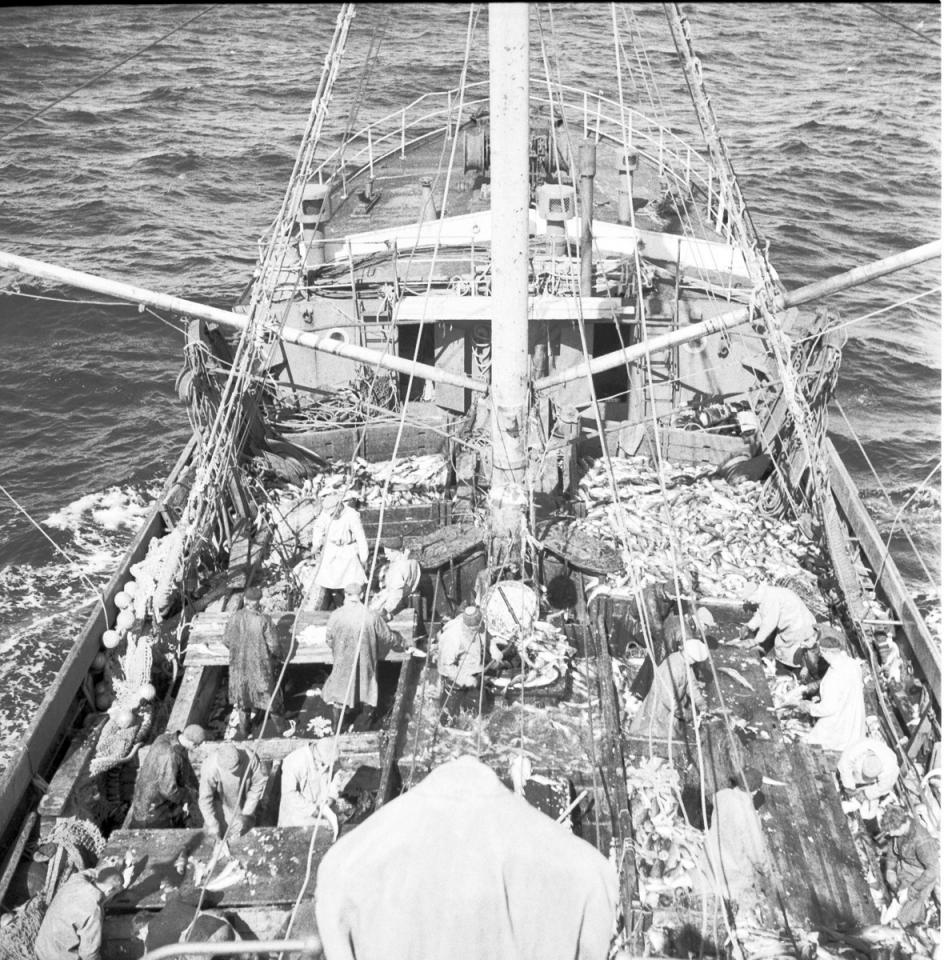
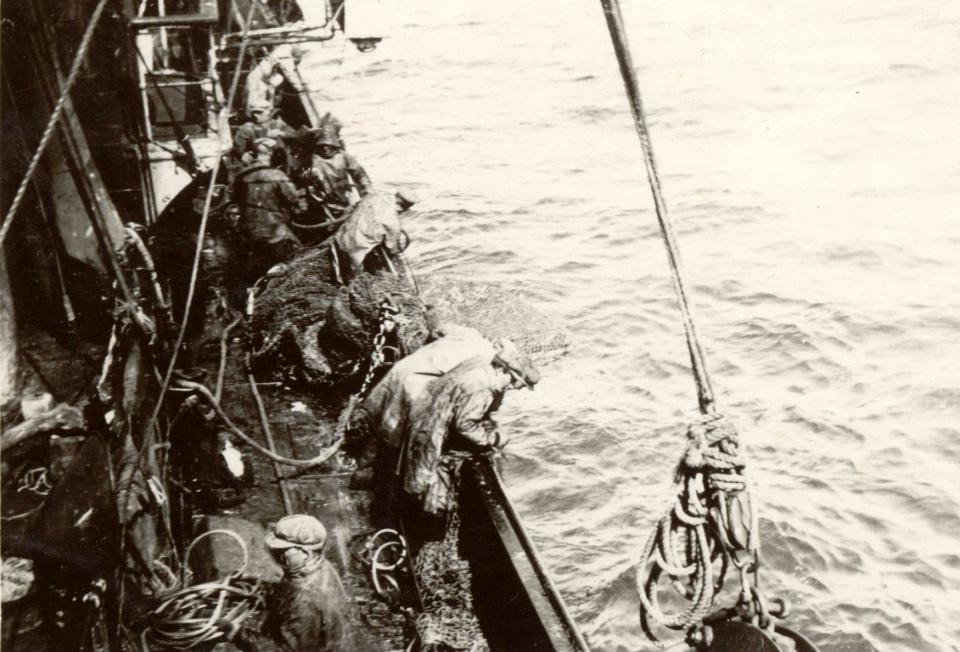
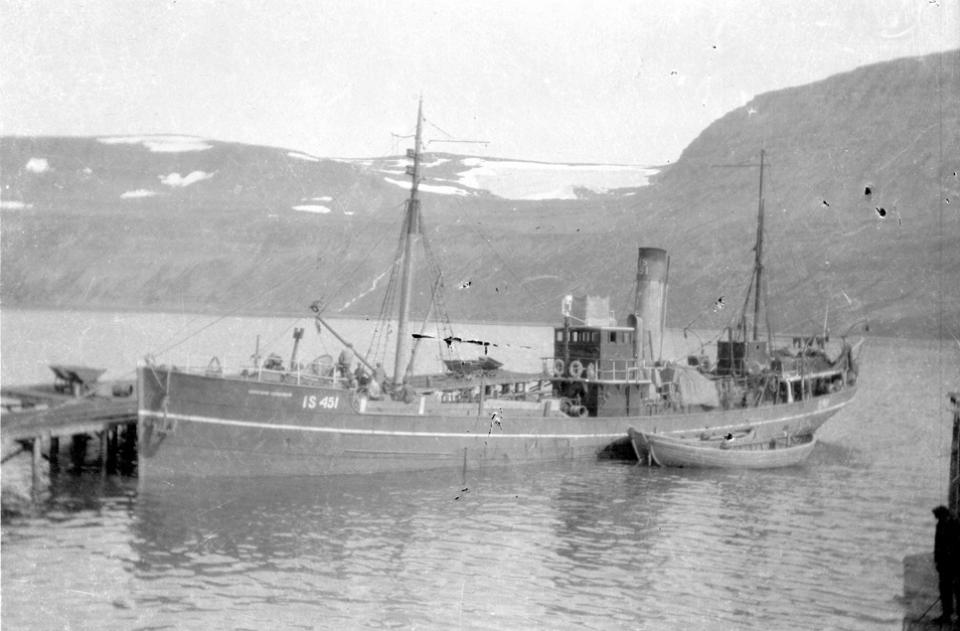
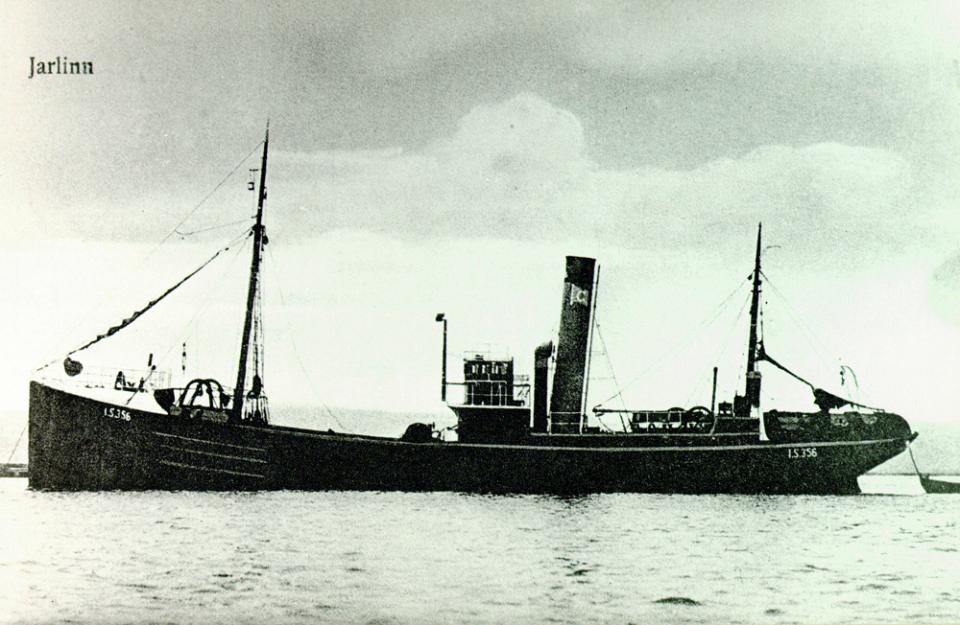
The Icelandic industrial revolution was manifested in the use of trawlers and motorboats. The operating of trawlers was expensive and most trawler companies were limited companies, often owned by the former operators of schooners and their captains. Profits from trawling were many times greater than those from previous fishing methods. The trawlers fished all year round. In the autumn they harvested white fish, which was iced for sale in foreign harbours, while in the winter the catch was salted and fully processed on land - in the summer they fished herring. Icelandic trawler fishing developed in Reykjavík and Hafnarfjörður after 1905 and was subsequently established in Ísafjörður and Patreksfjörður after 1924.
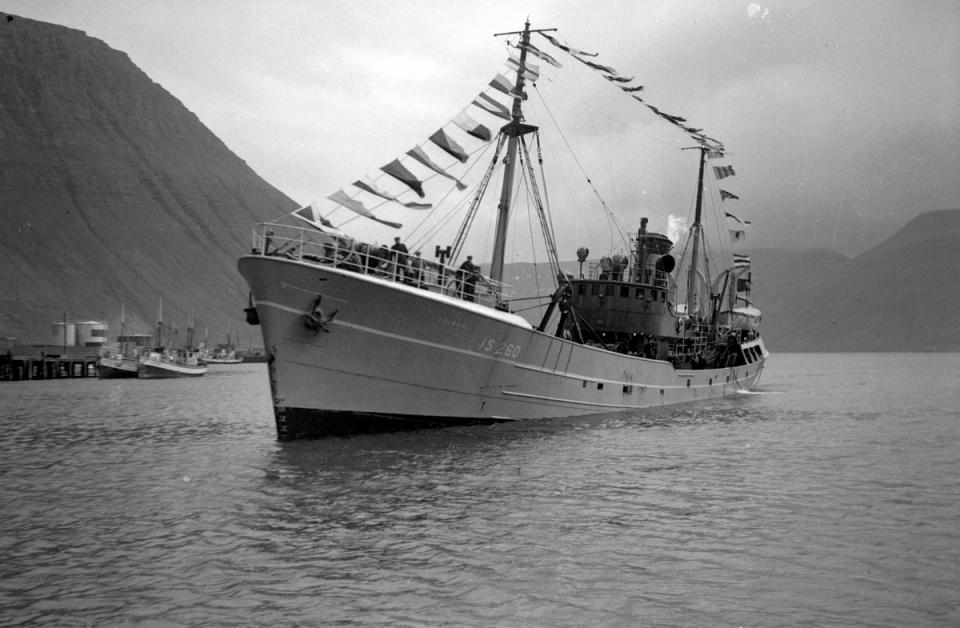
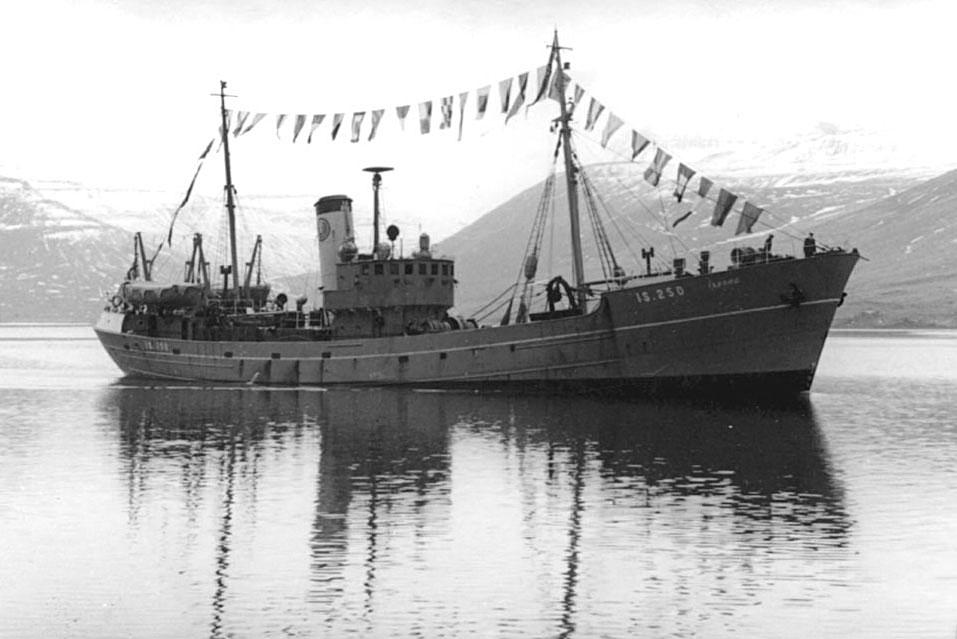
A succession of new trawlers were delivered to the country during the period 1947-1950. Most of them were operated by municipal fisheries or by limited companies with the participation of municipalities. The vessels Ísborg and Sólborg were operated by Ísfirðingur, a limited company owned jointly by the municipality and by individuals. The advent of the stern trawler heralded a new era in the country's fisheries history. In 1974 there were 54 stern trawlers in operation in the country, which increased to over 100 when they were most. At that time there were stern trawlers in every fishing village. This went hand in hand with major developments in freezing plants around the whole country.
Detail
Food and facilities on board the trawlers were vastly superior to those on schooners. There was meat on the menu every day and plenty of bread and tea. Icelanders adopted British trawler customs and even had Christmas cake with their coffee on a daily basis. But the work was difficult and the watches long. The first Icelandic employee protection laws, the act on minimum rest that was passed in 1921, prescribed a six hour minimum period of rest per day for deck hands on trawlers.
Danish, Icelandic and English investors tried their hand at operating trawlers in Icelandic waters around the turn of century 1900. All attempts failed. Finally, with the operation of the trawler Coot from Hafnarfjörður, profitable trawler operations were demonstrated from Iceland. Icelandic trawler operations developed in leaps and bounds in the following years. Difficulties in procuring supplies coupled with German submarine warfare resulted in half of the trawler fleet, 10 ships, being sold from the country in 1917.
After 1920 new and larger trawlers arrived, equipped with more powerful engines and winches. The trawlers now fished deeper waters.
Shortly after the new-age trawlers came to the country, post 1947, there was a period of difficulties in operating trawlers. British and German trawlers returned to Icelandic waters and catches diminished. Trawlers were sent to distant fishing grounds, off Greenland and Newfoundland. Smaller catches meant greater difficulty in manning the trawlers. Trawler operation in the West Fjords was abandoned after 1965. The era of the side trawlers was at an end.
Stern trawlers landed raw materials for the freezing plants all year round, where the fish was processed for export, to the United States, the UK, Japan and the Soviet Union. The West Fjords enjoyed proximity to plentiful cod stocks, but following the black report on the state of cod stocks in 1975, fishing was limited and the quota system was imposed in 1983. At the same time, fish processing was to a degree moved out to sea with the advent of the freezer trawlers.
Myndir með Ítarefni