English
 Communications by sea
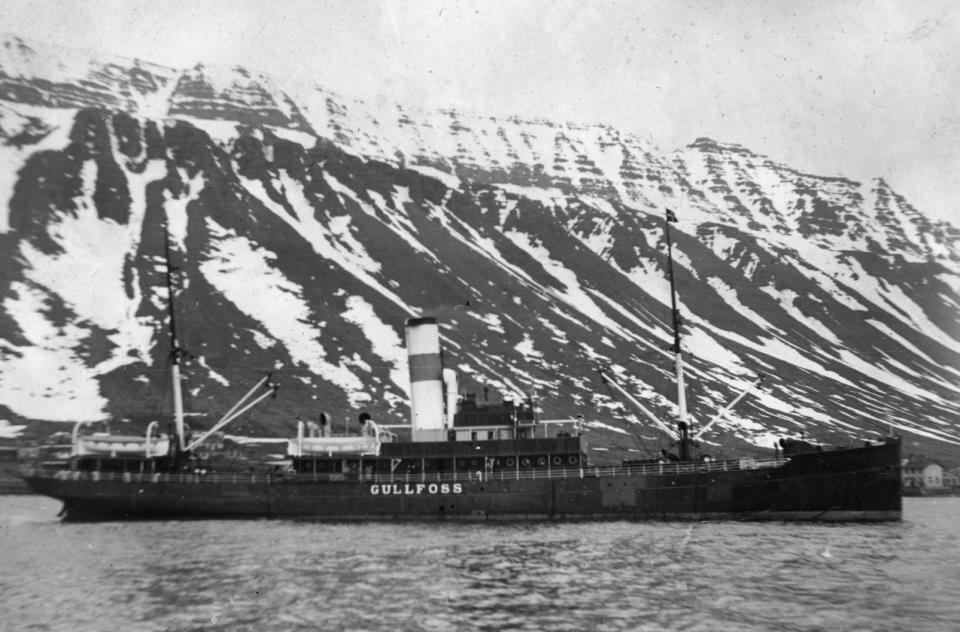
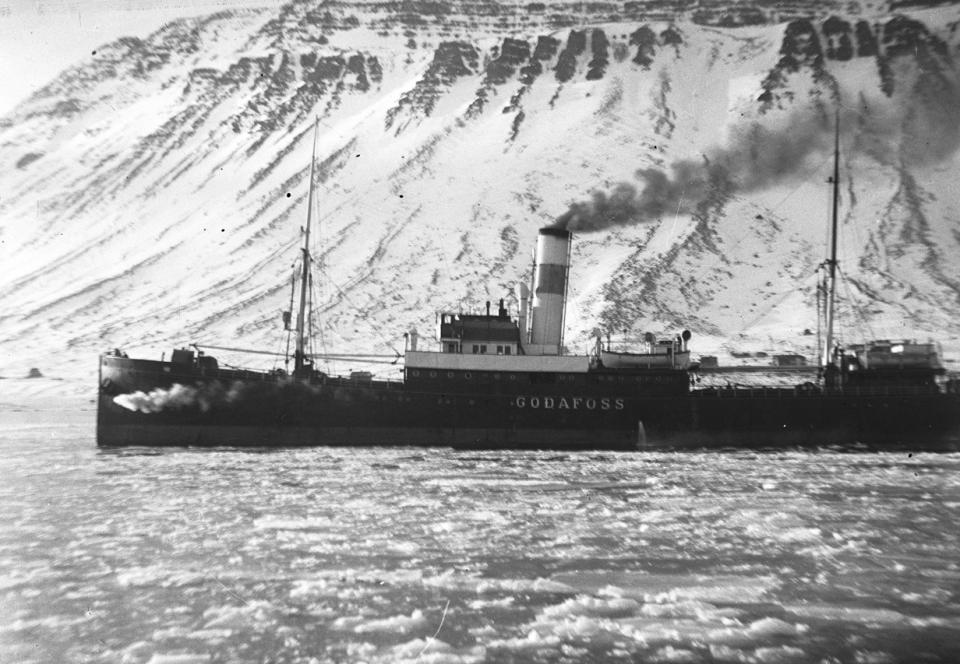
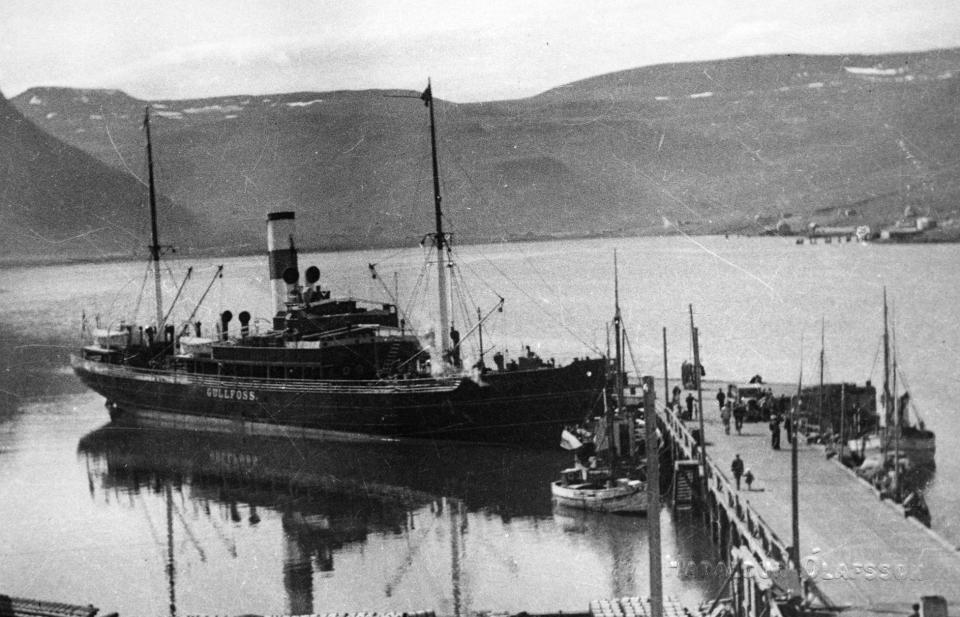
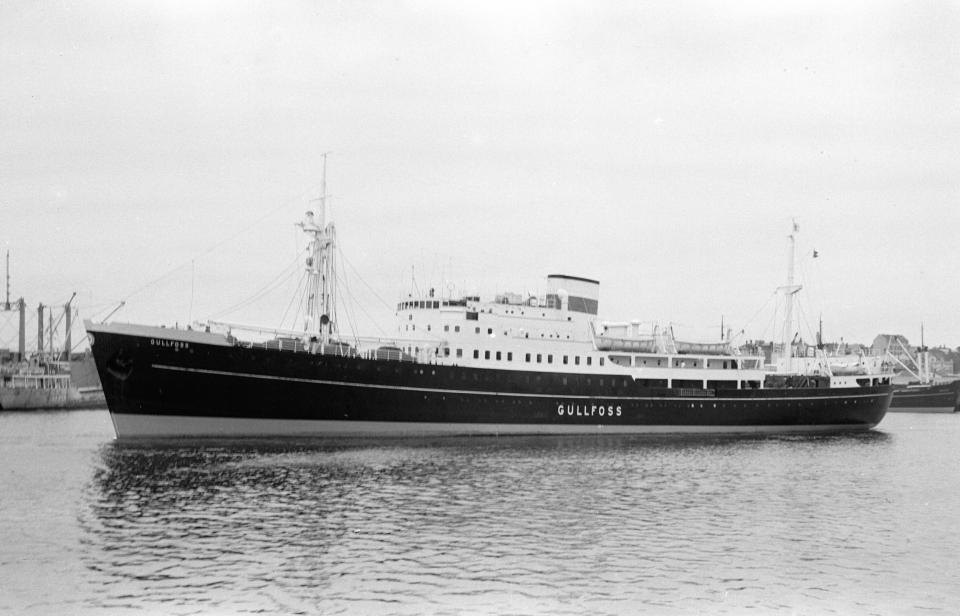
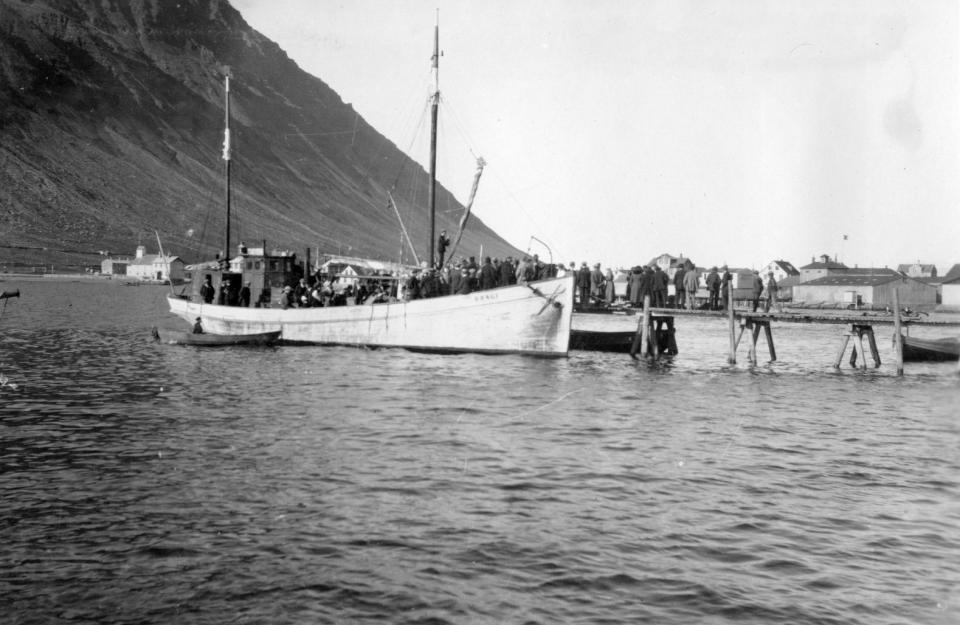
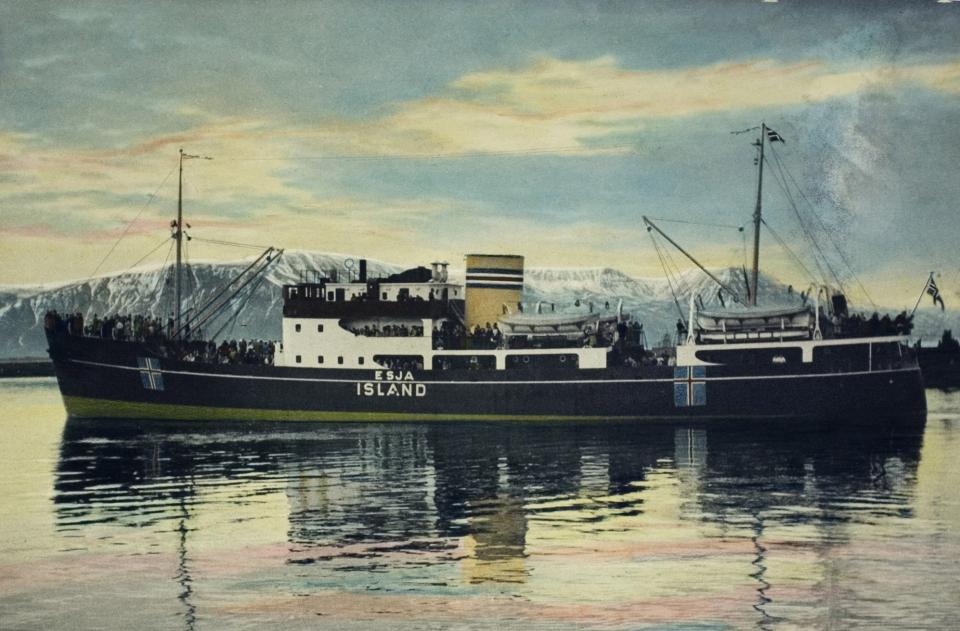
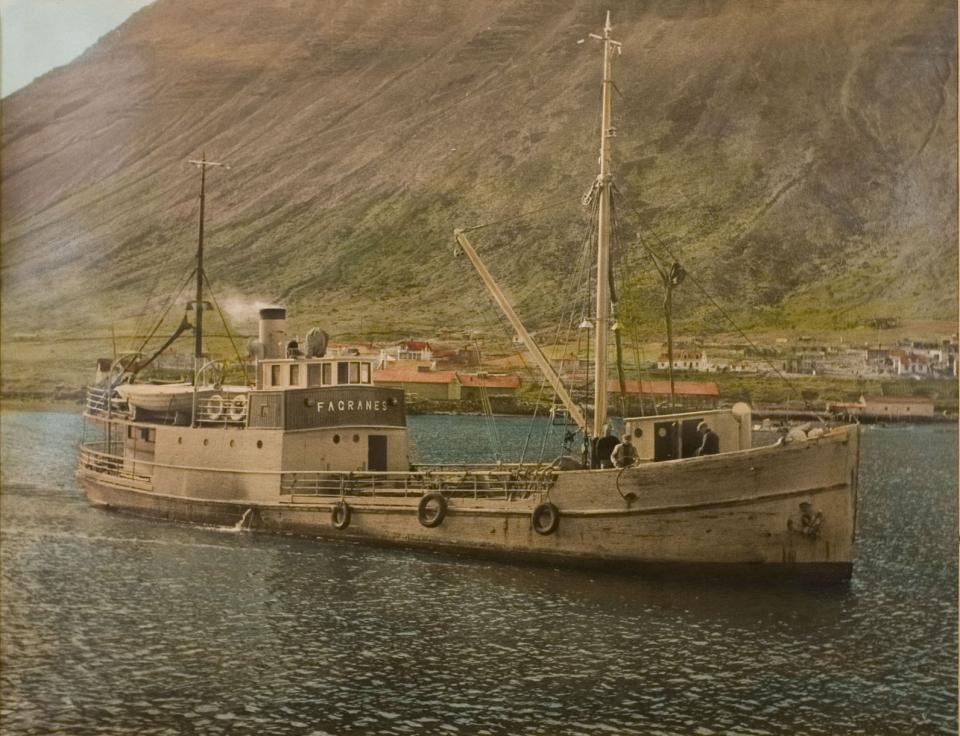
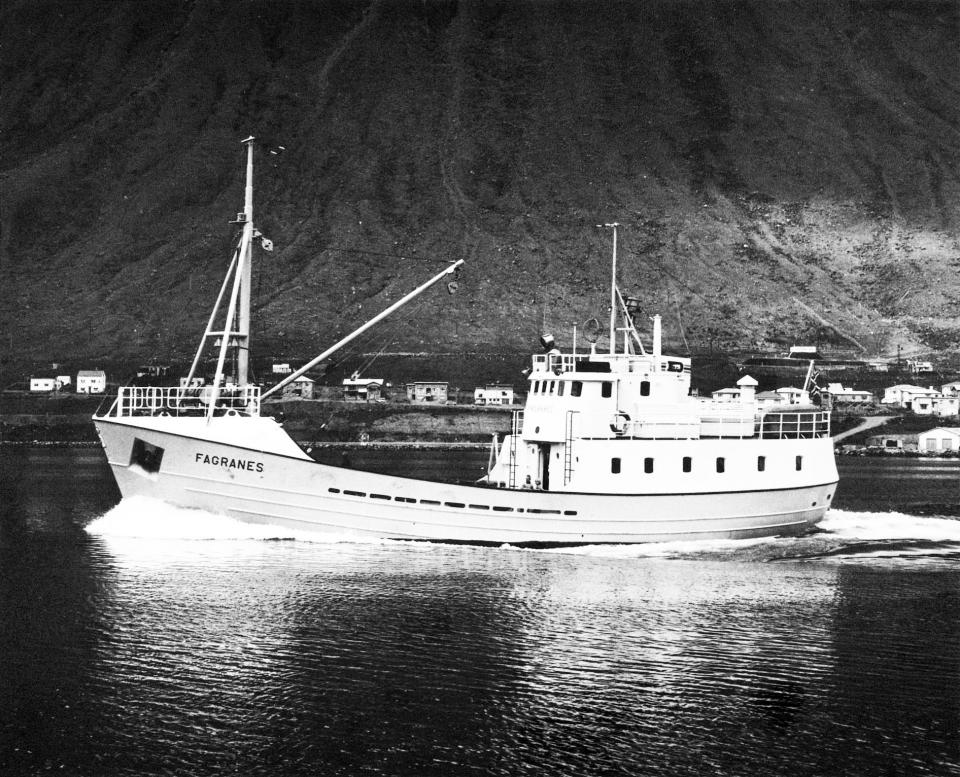
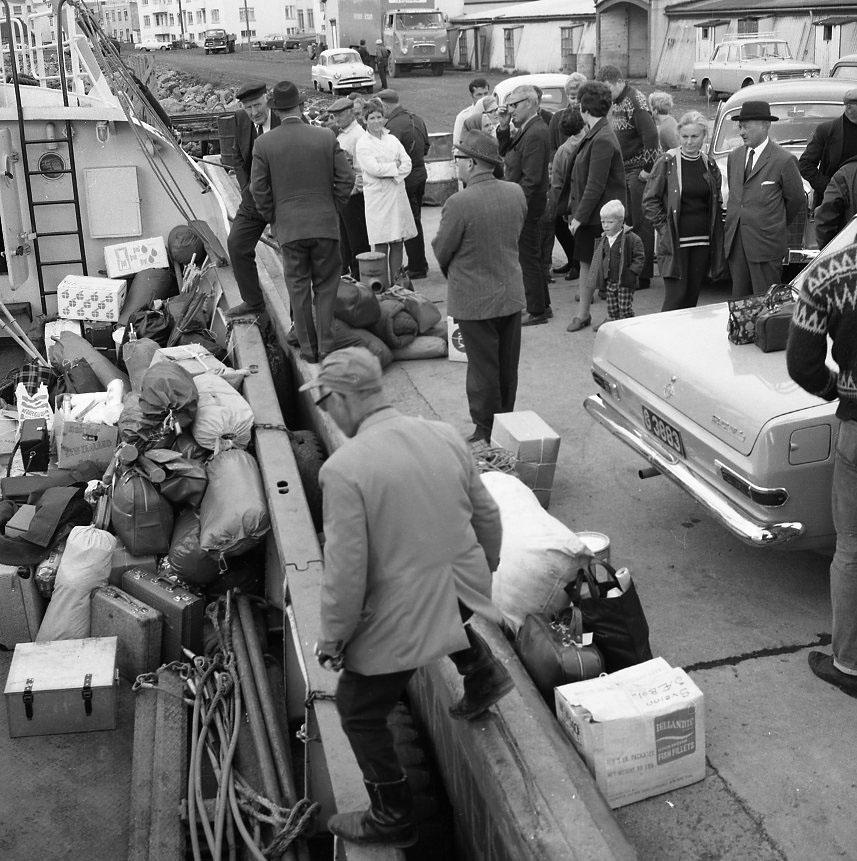
People of the West Fjords travelled by sea, both to other countries and within regions and fjords. Boats were used for transport within the region. Farmers moved goods to the market towns by boat and sought their provisions in the same way. The fishing catch was transported by boat from fishing stations to farms or to the market town. The boat was the best and most convenient means of transport.
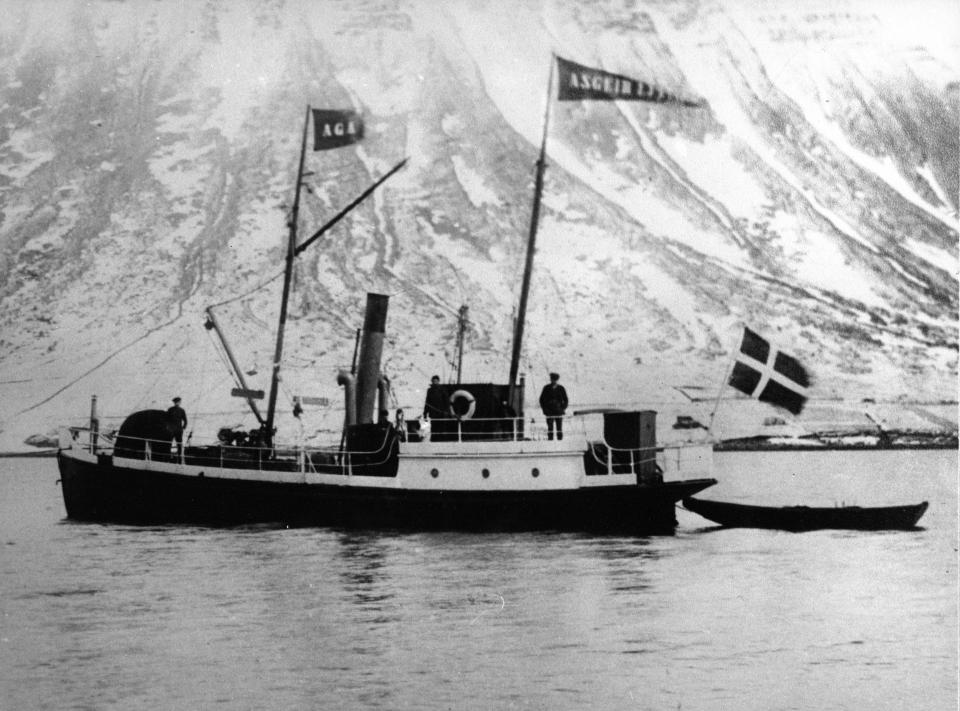
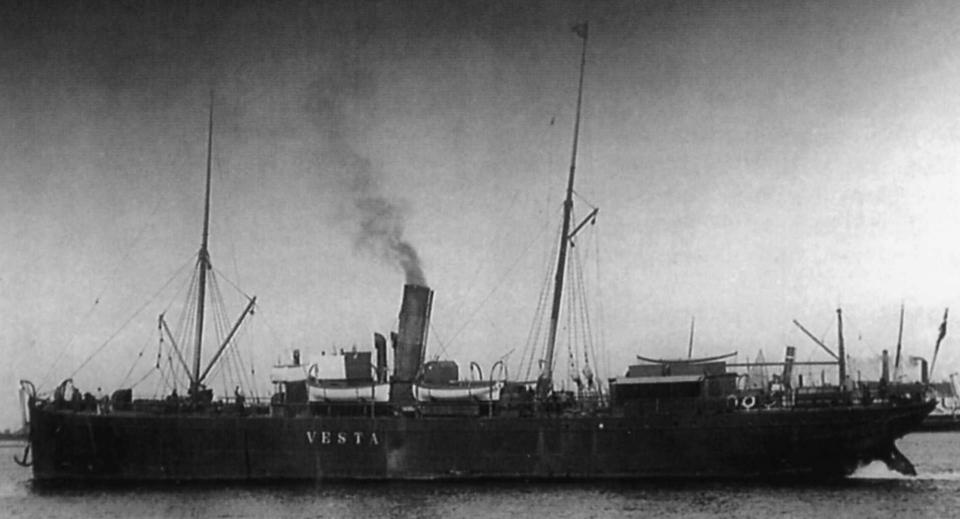
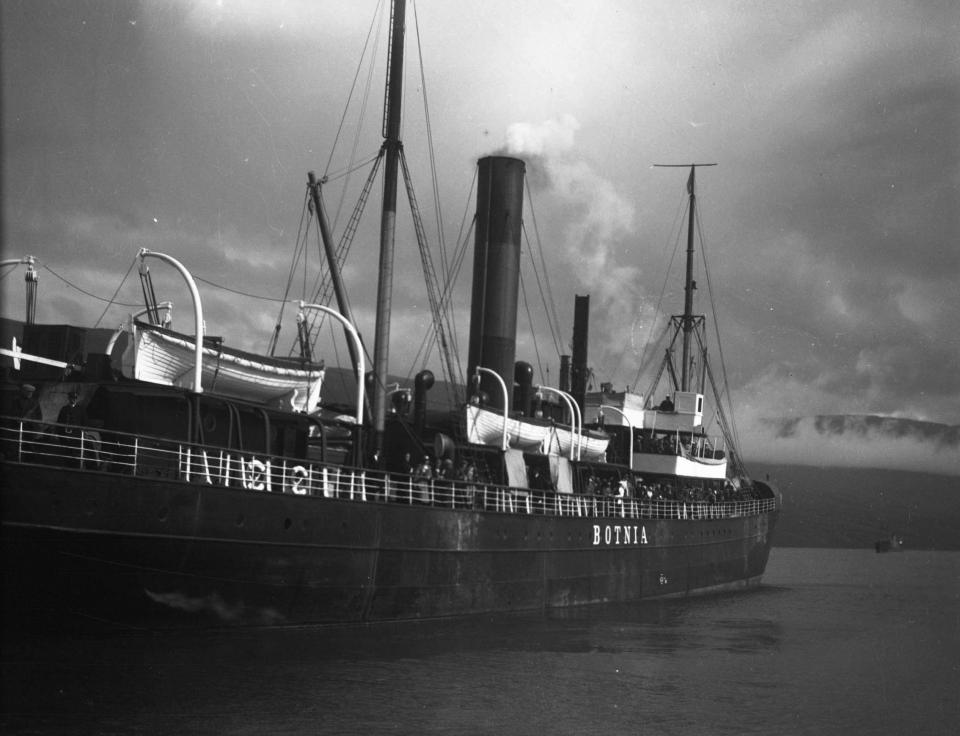
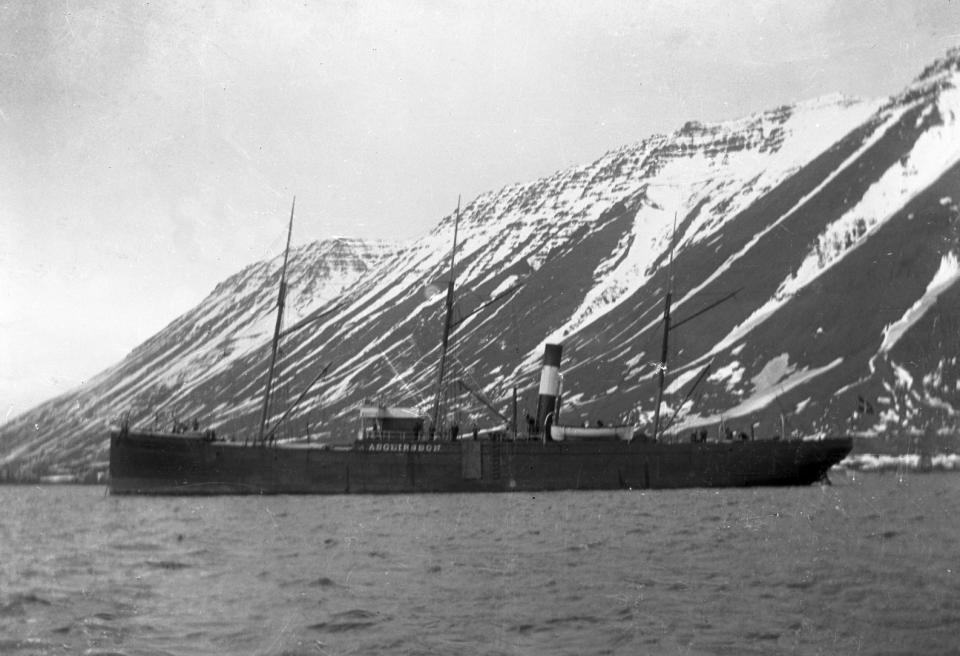
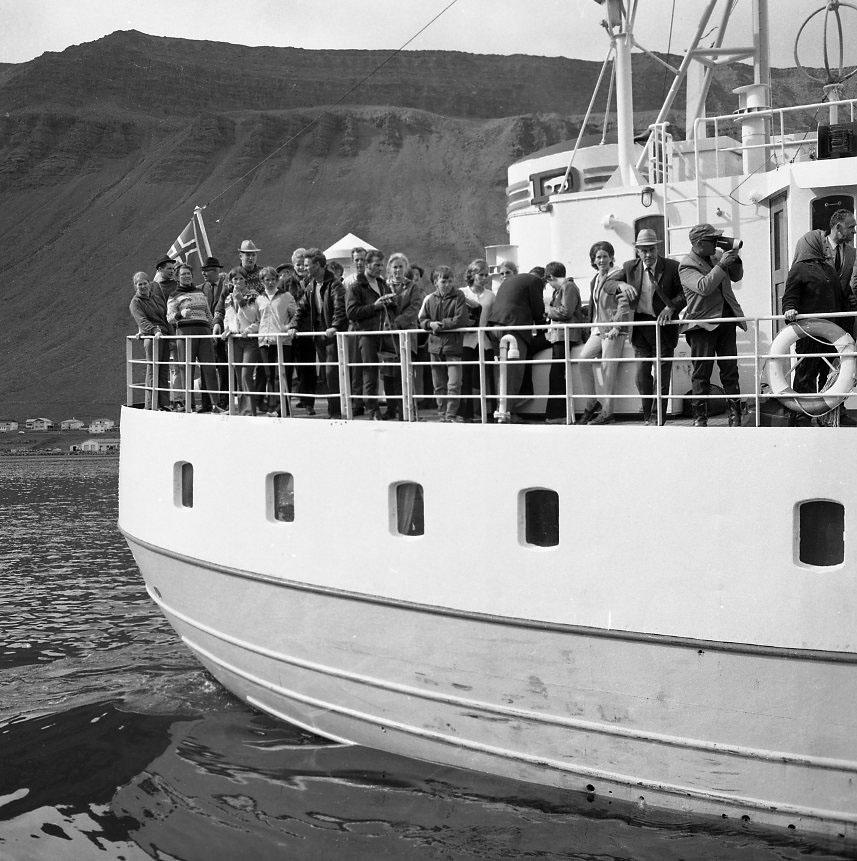
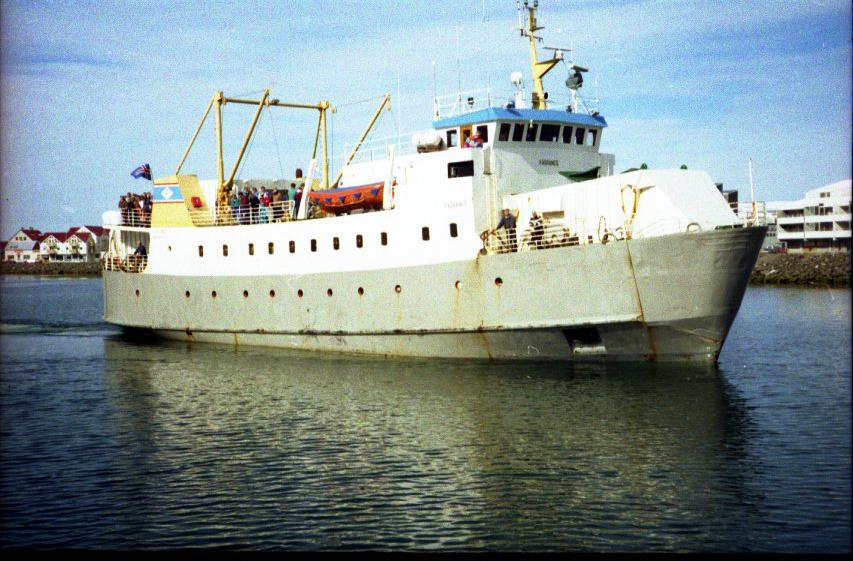
In the old days, foreign merchants transported goods to and from the country but in the 19th century Icelandic merchants purchase sailing boats and handled their own importing and exporting. The first steamship owned by an Icelander was purchased for transporting goods by Ásgeir G. Ásgeirsson the manager of the Ásgeirsverslun in Ísafjörður in 1893. The ship moved cargo between Ísafjörður and foreign ports. Prior to that the merchants had purchased a small steamship "little Ásgeir" for transporting goods between the merchant's branches in the Ísafjarðardjúp area. Little Ásgeir sailed scheduled trips around Ísafjarðardjúp and to other locations in the Ísafjörður counties for 3 decades. Later the motorboats took over sailing schedules in Ísafjarðardjúp and a public limited company was founded for the operations of a boat serving this area until the year 2000 when road improvements made it redundant.
Detail
Jóhann Bárðarson says in his book Áraskip (rowing boats) that there were frequent trips from Bolungarvík to the market town Ísafjörður which was the most accessible for transport of goods for example to fetch coal, salt or bait. A trip would take the whole day, leaving early in the morning and returning before nightfall. Rowing from Bolungarvík to Ísafjörður in reasonable weather conditions took about two hours but it would take much longer in choppy seas. There are often capricious winds and high seas under Óshlið, not a place to be after dark. Boats were wrecked under Óshlið in such conditions in 1895 and in January 1905. When there was a real need, for example for getting a patient to a doctor, it was possible to shorten the rowing time. Jóhann tells the tale that in the autumn of 1901, 6 hand-picked men rowed the route with a very sick girl to Ísafjörður in 66 minutes. This is an average speed of about 6.4 knots.
Myndir með Ítarefni