English
 Motor boats
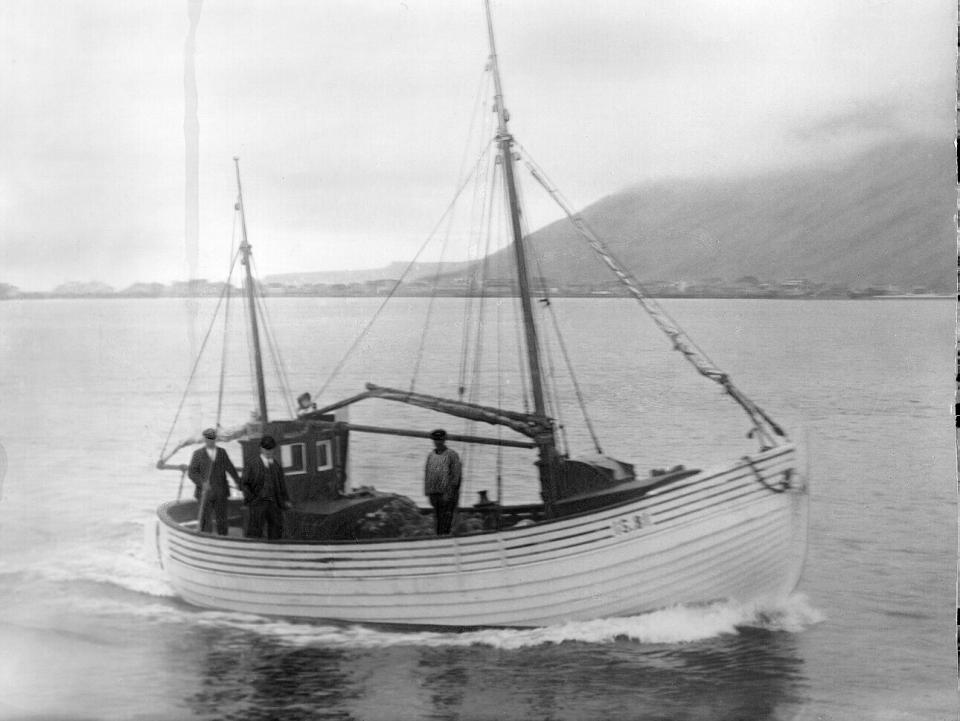
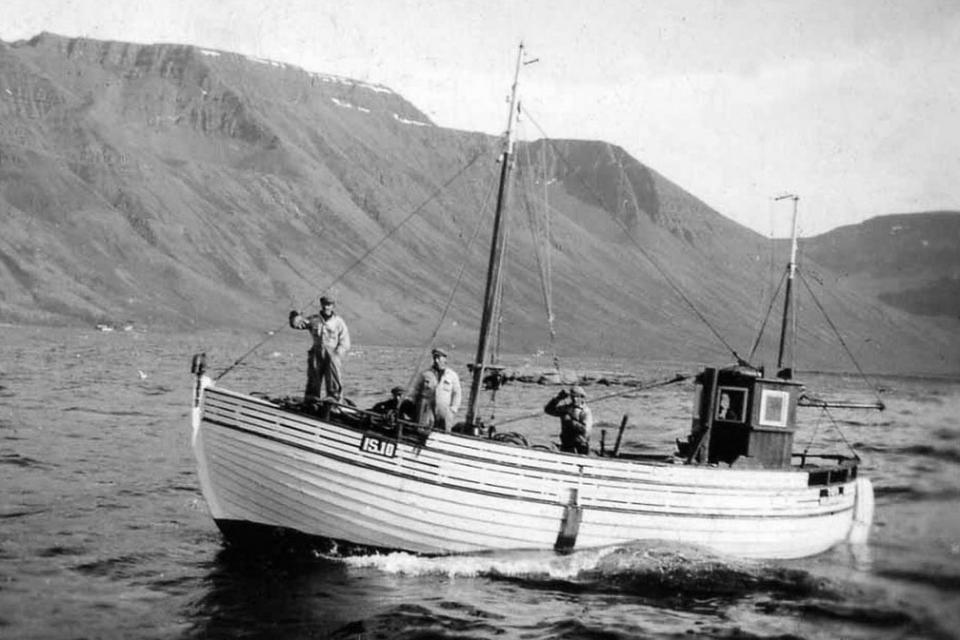
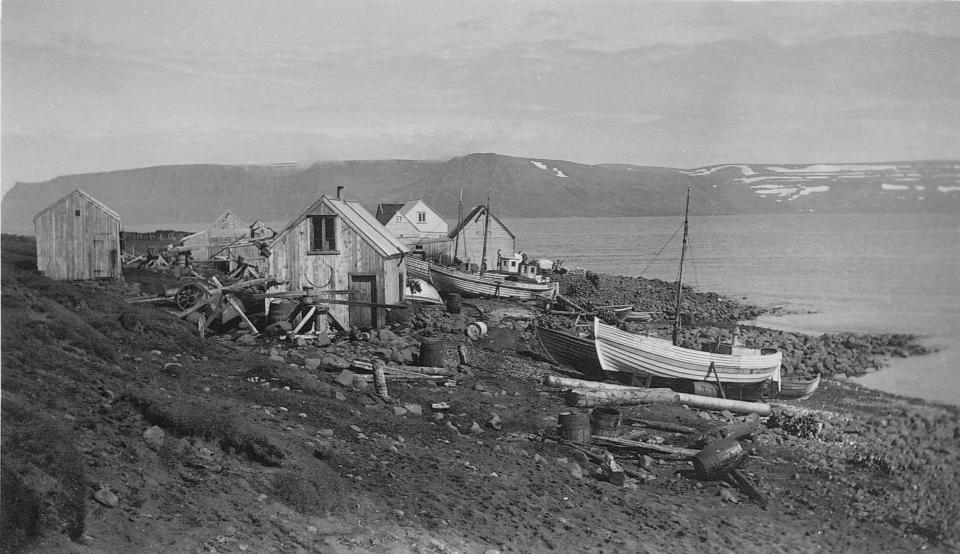
The year 1902 marked a watershed in the history of Icelandic fisheries. It was then that the captain Árni Gíslason and shop manager Sophus Nielsen from Ísafjörður decided to install a motor in their six-oar boat, the Stanley. This was the first Icelandic motorboat to fish the seas. During Stanley's first season in Bolungarvík in the winter of 1903, this innovation was met with suspicion as it was thought that noise from the engine would scare off the fish. This proved not to be the case and Stanley made good catches. Within a few years most fisheries operators had fitted their boats with motors. The number of boats increased and urban areas grew. There was a leap in the number of inhabitants in towns and villages in the West Fjords during the first decade of the motorboats. To some extent this was people from the rural areas and seaside villages of the rowing boat era, moving to towns that could offer harbour facilities for motorboats and fisheries services.
Detail
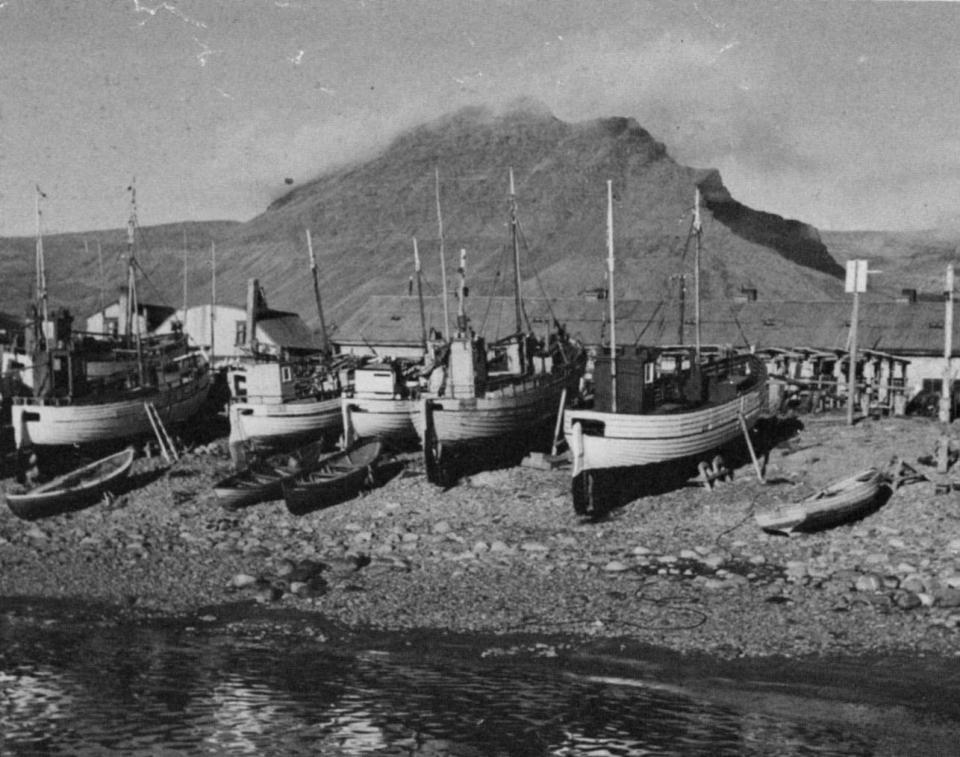
It was not long before larger boats were being operated with more powerful engines. All fisheries services were available in Ísafjörður, a safe harbour, jetties, merchants who bought fish for processing and sold fuel, salt, hooks and lines and whatever else was required. Many skilled boat builders were employed in the town and there was also an engineering workshop, one of the first in the country, for maintenance and repair of engines.
The sailors on the motor boats were mostly from Ísafjörður, but probably also from other regions around Ísafjarðardjúp. They were accustomed to rowing boats and motorboats, so they now felt as though they were on ocean going vessels. Others had been used to schooners. Their captains were young and ambitious, because the older captains remained with the smaller boats. These men were no strangers to hard work but they had seldom experienced the gruelling pressure of this fishing. When the catch was good the men would at best be able to rest for one or two hours during the anchor watch. In addition to this, deckhands had to make ready, as it was called, as they steamed to land after the last cast of the nets - and then land the catch when they reached harbour.
Myndir með Ítarefni