English
 Whaling and minke whale-hunting
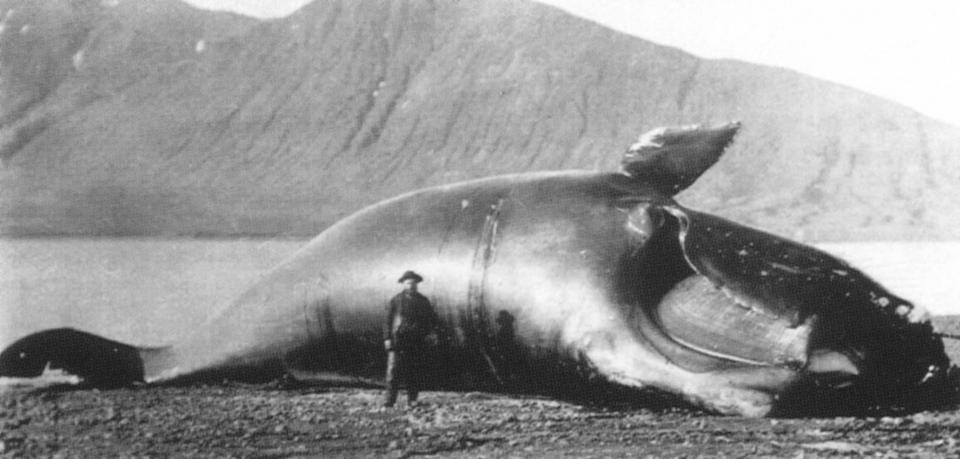
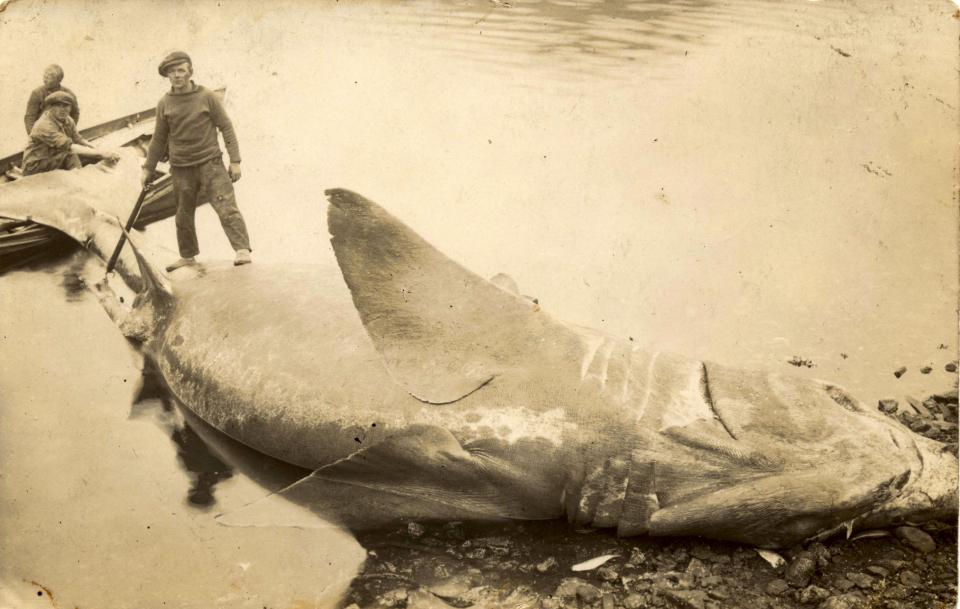
The West Fjords had a long tradition of hunting whales with hand held harpoons. On the beach the whale was cut and shared between the crew, the owner of the boat and the landowner, all according to fixed rules prescribed in Grágás and Jónsbók in the first centuries of settlement of the country. A stranded whale has saved many an Icelander from starvation. The men of Arnarfjörður were renowned for harpooning whales in the old days. The Norwegians operated many whaling stations in Iceland around and after the turn of the century 1900.
Þorlákur Guðmundsson (Hrefnu-Láki) from Súðavík was an innovator in the use of the exploding harpoon for hunting minke whale (hrefna). This was certainly an influence from the Norwegian whalers in Álftafjörður. Þorlákur started hunting minke whale from Súðavík in 1914. Whaling was banned in 1985 but in recent years it has been allowed again.
Detail:
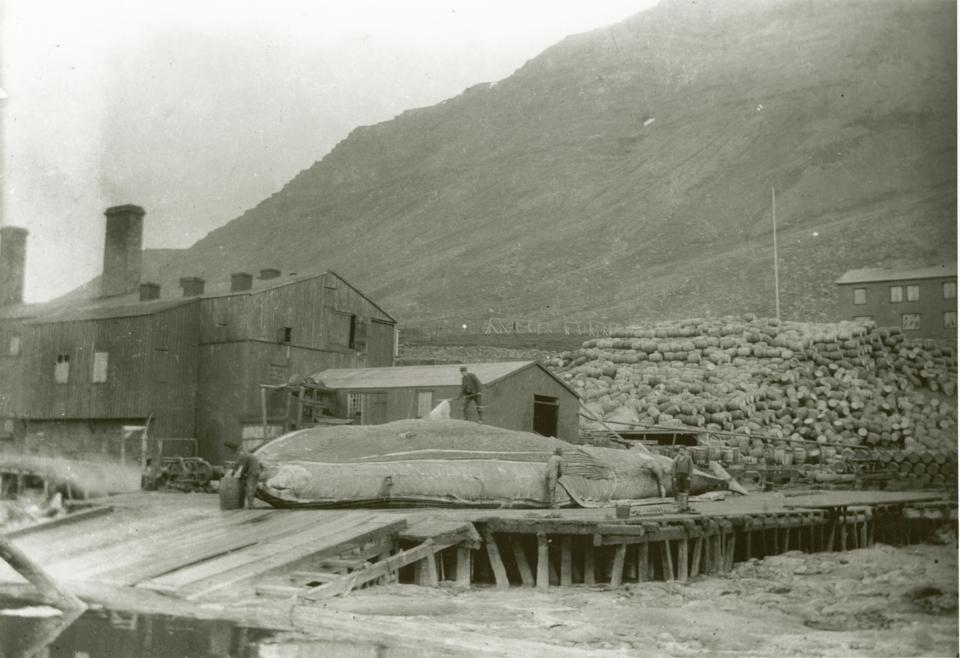
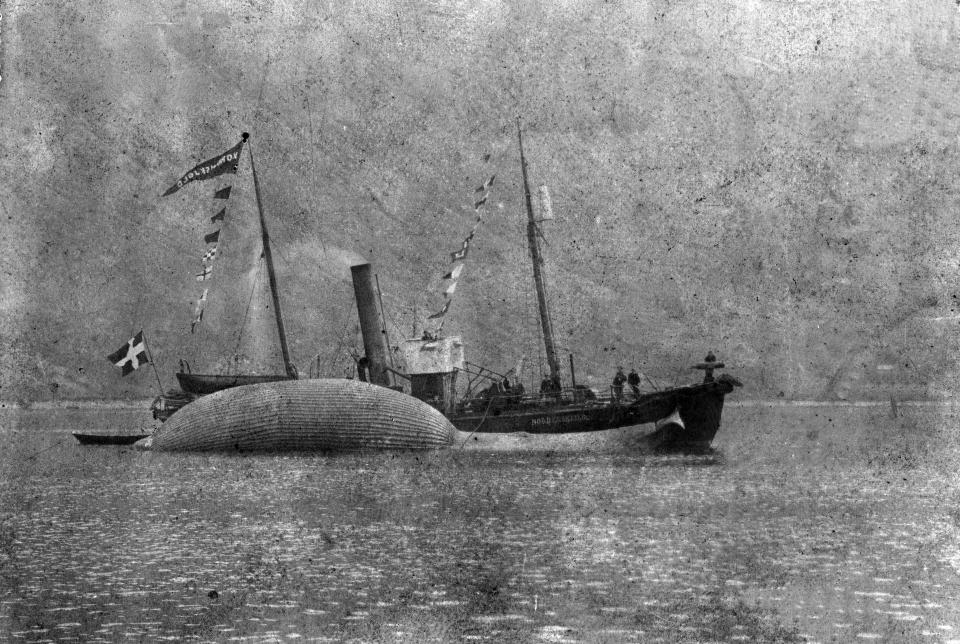
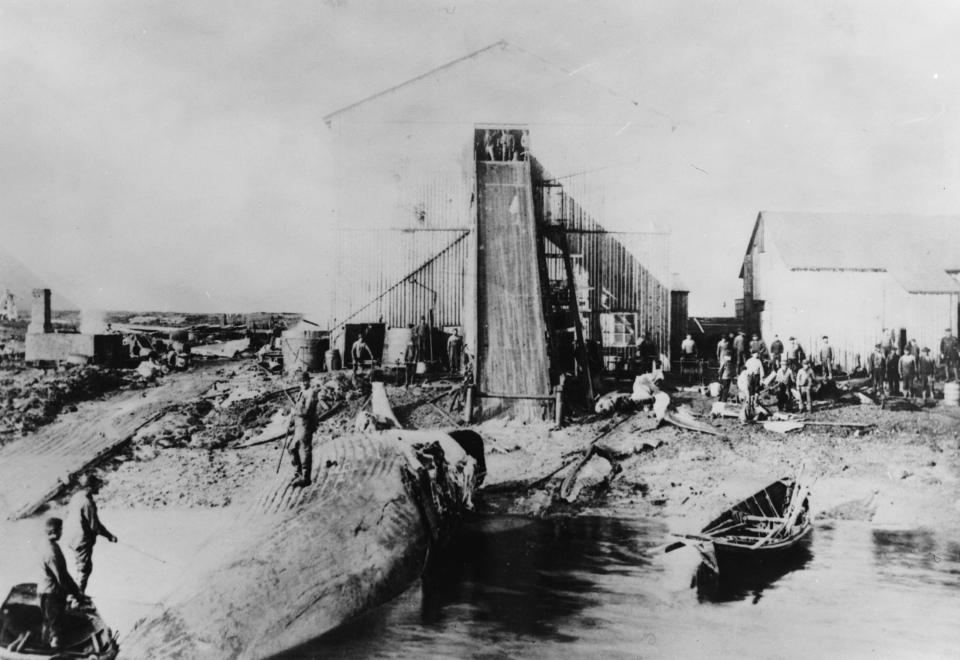
The Norwegians were first to develop the exploding harpoon for whaling. Norwegian whalers built 7 whaling stations in the West Fjords after 1883 of which 5 were in Ísafjarðardjúp, and the remainder in Önundarfjörður, Dýrafjörður and Tálknafjörður. The Norwegians came in the spring in the steamships they used for the hunting. They brought timber for buildings and jetties, and machinery for the processing. The Norwegians also hired workers and paid them in money, which was a new custom.
They mostly hunted blue and fin whale but also some sperm whale. Whale oil was boiled out of the blubber while the meat and bones were dried and ground. Whalebone from the baleen whale was however cleaned and sold to fashion houses in Europe for crinoline dresses. The whaling stations were at their most active in the first decade of the 20th century but subsequently they were on the wane. Many of the factories were dismantled and moved to the East Fjords.
Myndir með Ítarefni