English
 Communications by land
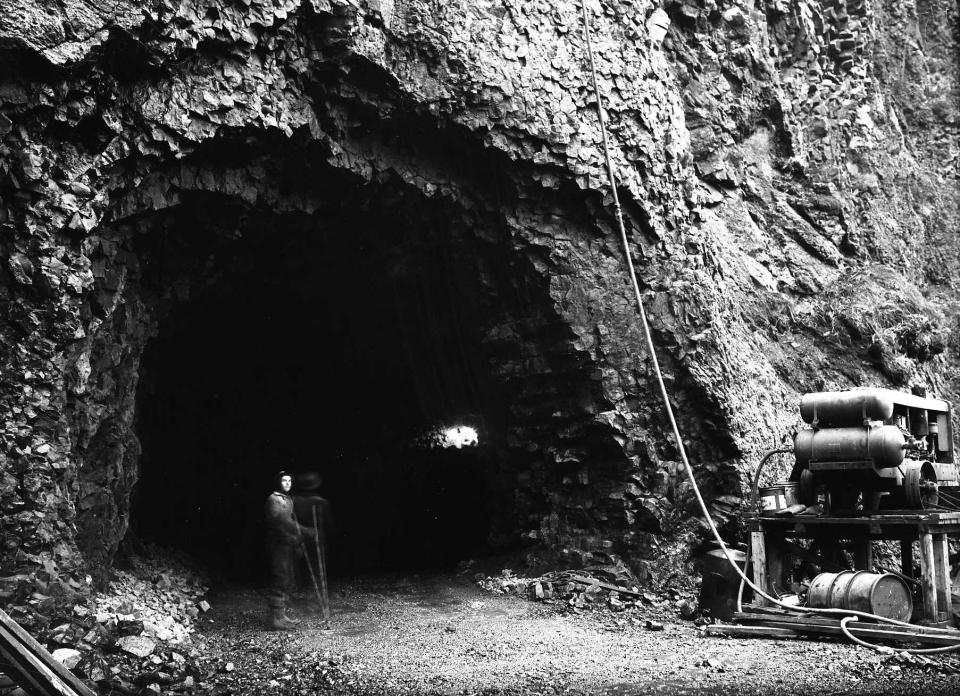
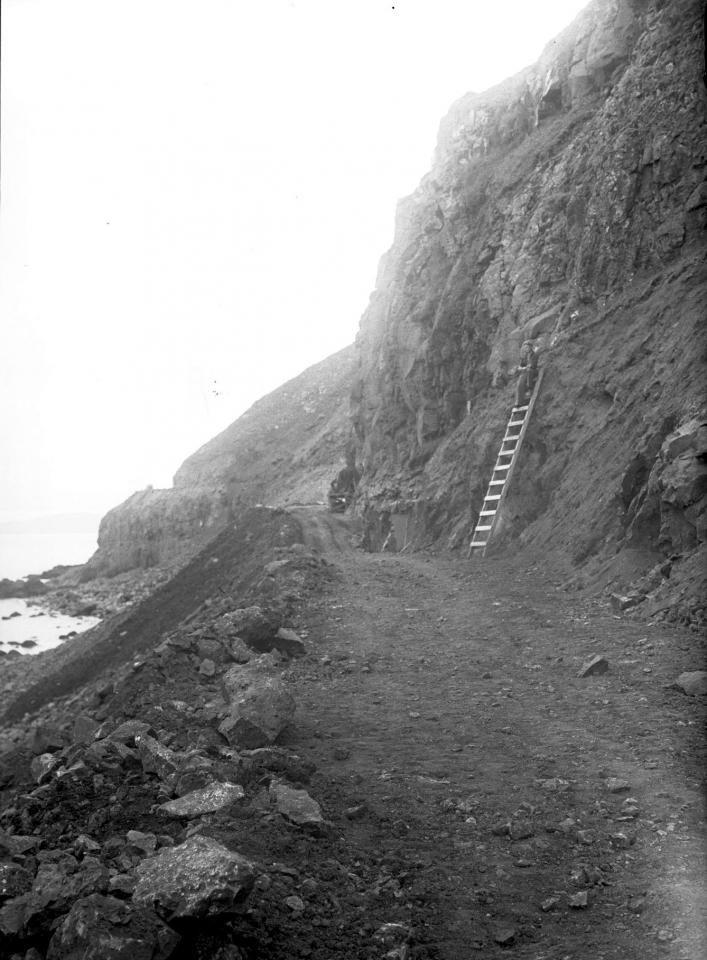
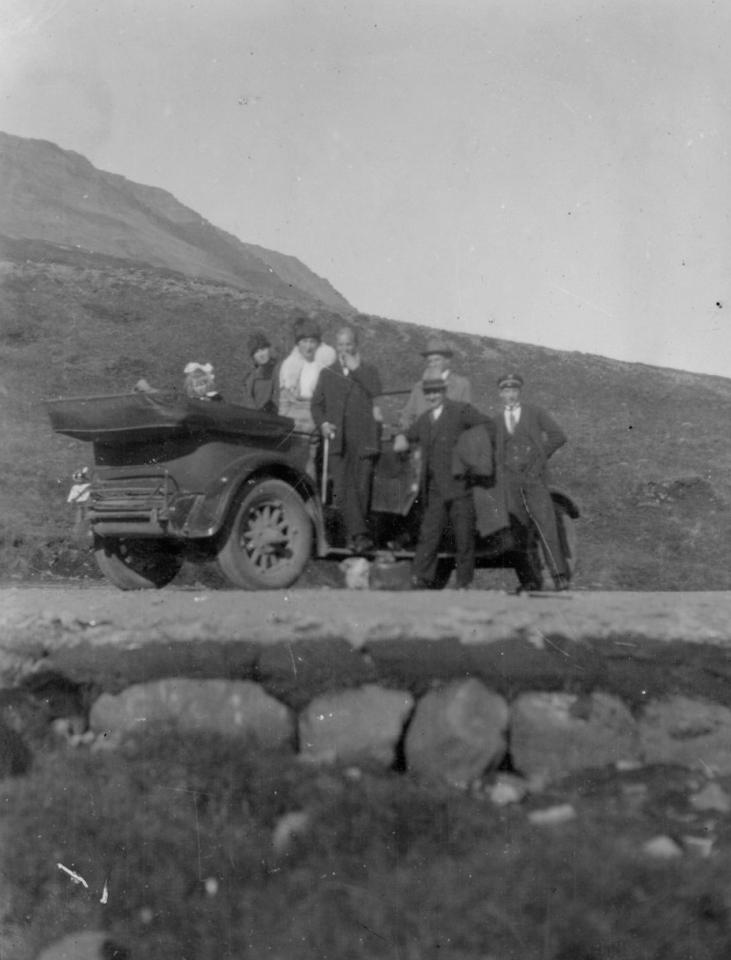
Difficult heaths and a rocky shore make it difficult to travel on horseback and the fact of the matter is that people did not own many horses in the Ísafjörður counties. People walked along the beaches or over the heaths to get to work or for other purposes, those who did not own boats. Road improvements were infrequent in the old days but with financial support from the state and from county associations, work was commenced on building tracks between inhabited areas in the 19th century. Farmers and workers cleared the tracks of rocks and built bridges in wetlands with primitive hand tools. This is how the tracks across the heaths became more passable. Motor vehicles arrived in the new century and roads were built for them from urban areas. It was not before 1940, with the arrival of the bulldozers, that major improvements were made to the country's roads. It was possible to reach Reykjavík by car in the year 1959. Since that time there have been continuous road improvements, fjords have been crossed, new mountain roads built, roads were surfaced with asphalt and tunnels built to improve communications between the main urban areas and from the West Fjords to the main ring road, Road 1.
Detail
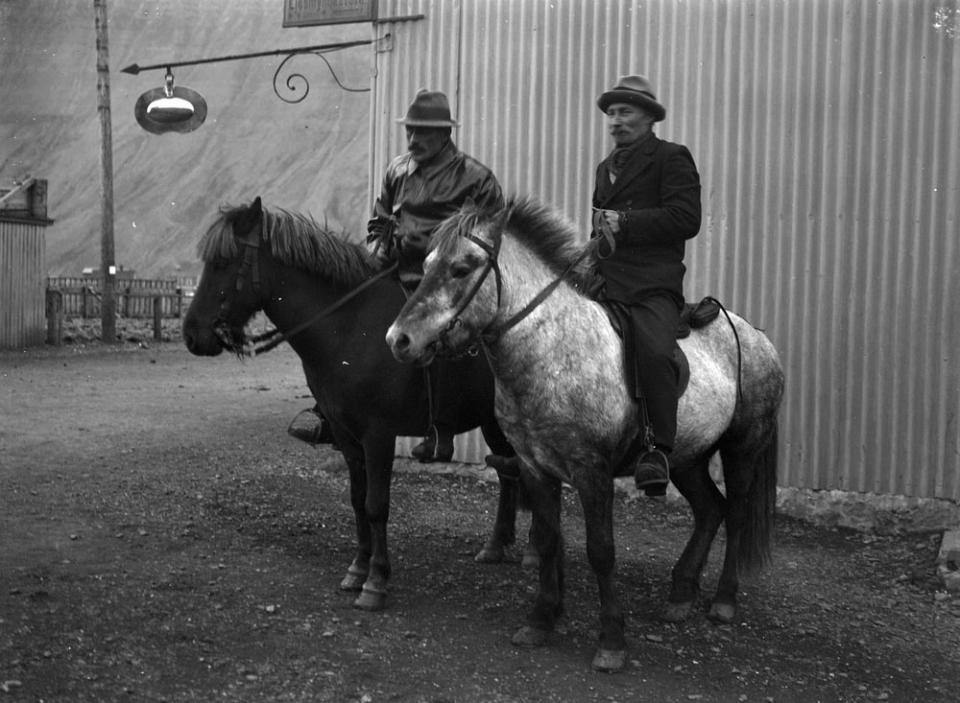
Let us go back 100 years. There are no cars, no telephone, no planes, no roads to drive on, no tunnels. The practice of installing motors in boats was in its infancy. All journeys on land were made on foot or horseback. Of course it was possible to travel by sea, with manual propulsion or the power of the wind, that is to say with oars or sails. One thing difficult to conceive and which has changed most, was the pervading damp. In those days there was no rainwear, not even rubber boots. People always had wet feet. This was the case on journeys, when rivers had to be forded, or even simply when the cows had to be brought home. "From the spring thaw until the earth was frozen in the autumn and autumn rain at an end, it was an exception if young people, particularly boys, had dry feet for a whole day. During the haymaking season which was for a period of 8-10 weeks, both men and women working in the hay fields had wet feet most days. The same applied to those working outdoors in spring and autumn. When it rained, people were wet to the skin, from head to foot." (Jóhann Bárðarson. Áraskip. Rvík 1964, 81).
Myndir með Ítarefni