English
 The farmer fisherman
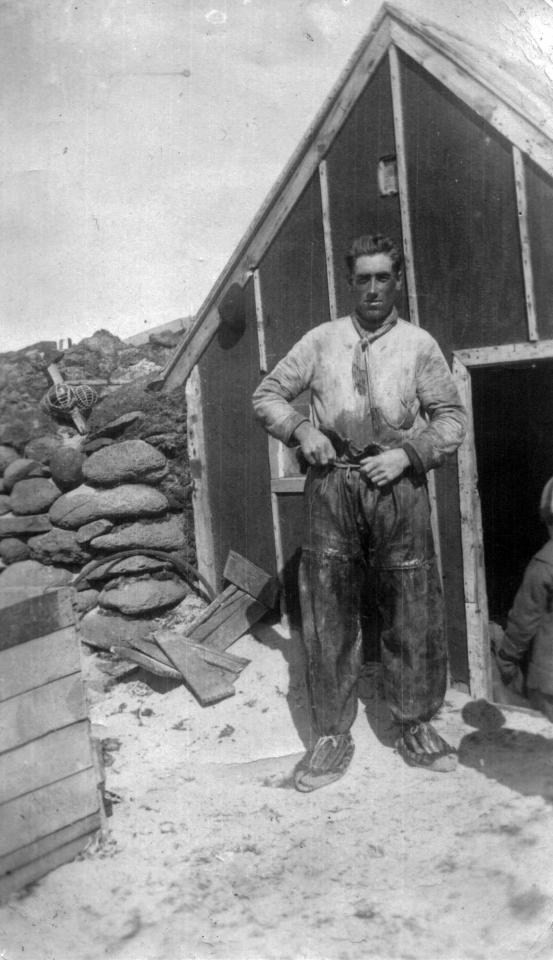
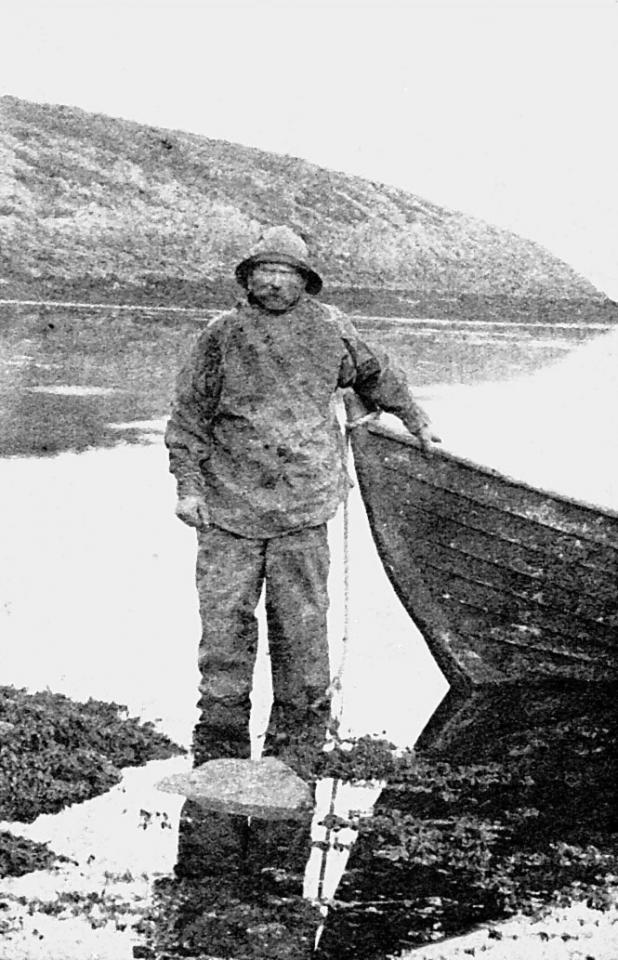
The rowing boat and fishing line were the key to life for the people of the West Fjords. Farmers rowed for fish from almost every farm. In the winters and long into the spring the people would go to fishing stations. Fishing stations were often on promontories within easy reach of fertile fishing grounds. The farmers would live at the stations for a few weeks at a time, bait their lines, launch their rowing boats and process the catch. Finally the rewards of the season were divided. The captain and his mates would each receive their own part which they deposited with a merchant, where the fish was weighed and valued. Wind and weather and the s . Each farmer would return home with food for the table - or penniless. Tenant farmers could struggle on, or break up their families. A farm labourer might realise his dream, marry and start a family. It all depended on returns from the fishing season.
In past centuries West Fjords farmers were mostly tenants, as was the case throughout the whole country. They rented from the King, the Church or from wealthy men and undertook obligations for providing work, for land rent and rent for livestock. The farmer actually ran his farm like a company, with labourers, fishermen, tenants, boats and livestock. Profits mostly accrued to the landowner while the ordinary people survived, and sometimes a little more than that.
Detail
It was said that the catch was capricious. Nevertheless, fishing and fish processing provided an opportunity for the people of the West Fjords to improve their lot. Fish was the main export while livestock provided food and clothing. When the catch was good and trading conditions beneficial it was possible to significantly increase the return on people's labour. People settled by the coast, started families and sold their labour to farmers on land and at sea. In past centuries the country's wealthiest and most powerful chieftains lived in West Iceland and the West Fjords which had the largest fish catches. The farmer fisherman went to his fishing station for the winter season with his workers and tenants, where he sought his livelihood and foreign currency. Dried or salted cod deposited with merchants in the town, gave the right to purchase not only necessities such as meal and flour but also luxuries such as linen, coffee and tobacco.
Myndir með Ítarefni